We've been watching a shift in how SaaS companies talk about their analytics features. A year ago, the conversation was about dashboards and visualizations. Six months ago, it was about AI-powered insights. Now? Teams are asking us about analytics that can act.
The term getting tossed around is "agentic analytics", and unlike most AI buzzwords, this one actually describes something meaningful. It's the difference between analytics that tells your customers what happened and analytics that does something about it.
What Is Agentic Analytics? (And Why It's Not Just Another AI Buzzword)
Agentic analytics uses AI agents to analyze data, make decisions, and take action, autonomously. Think of it as the evolution from dashboards that wait for humans to interpret them, to systems that continuously monitor data and respond in real time.
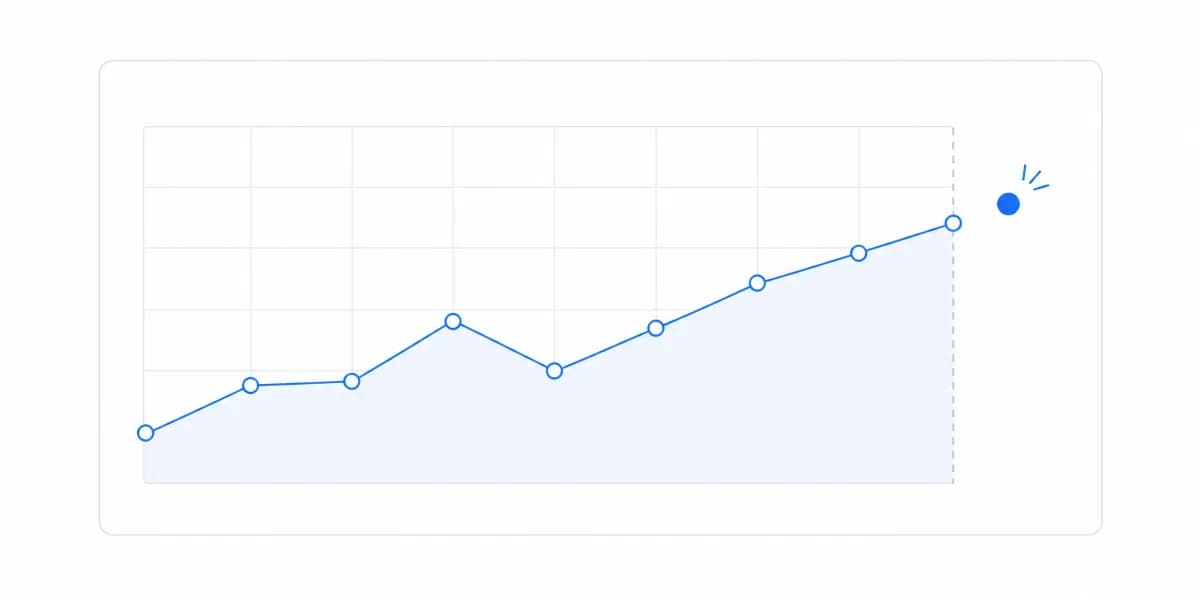
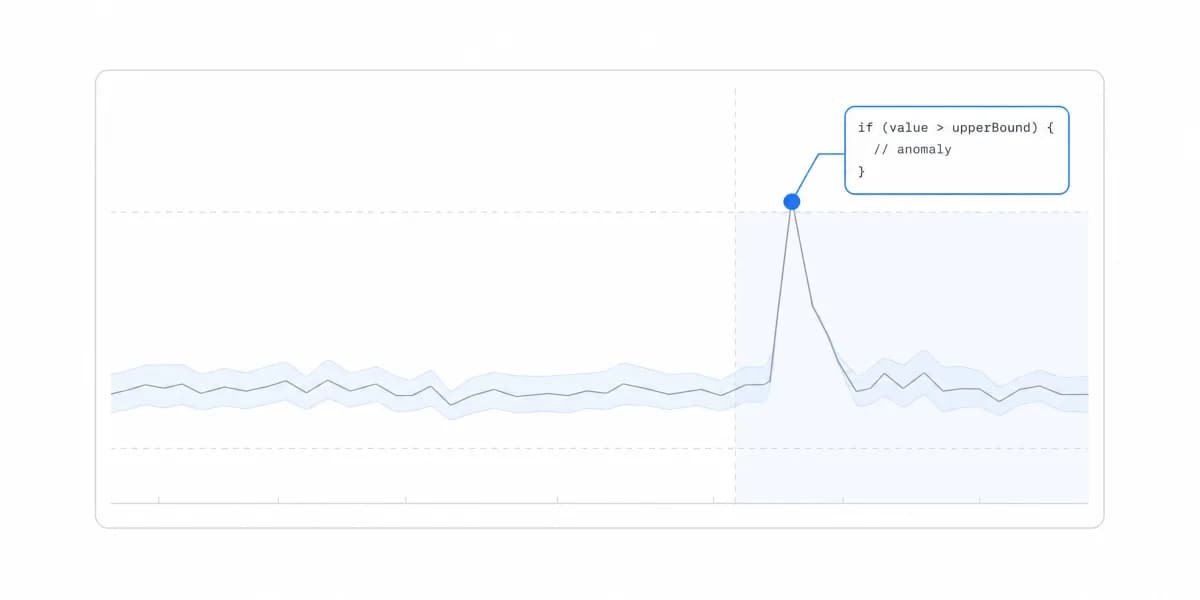
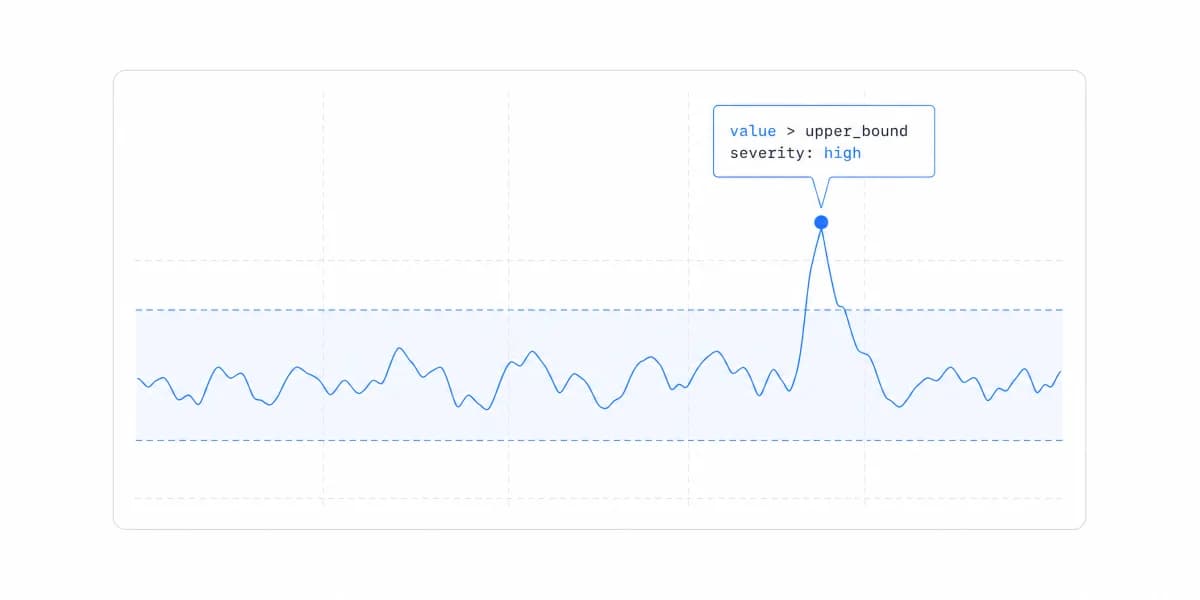
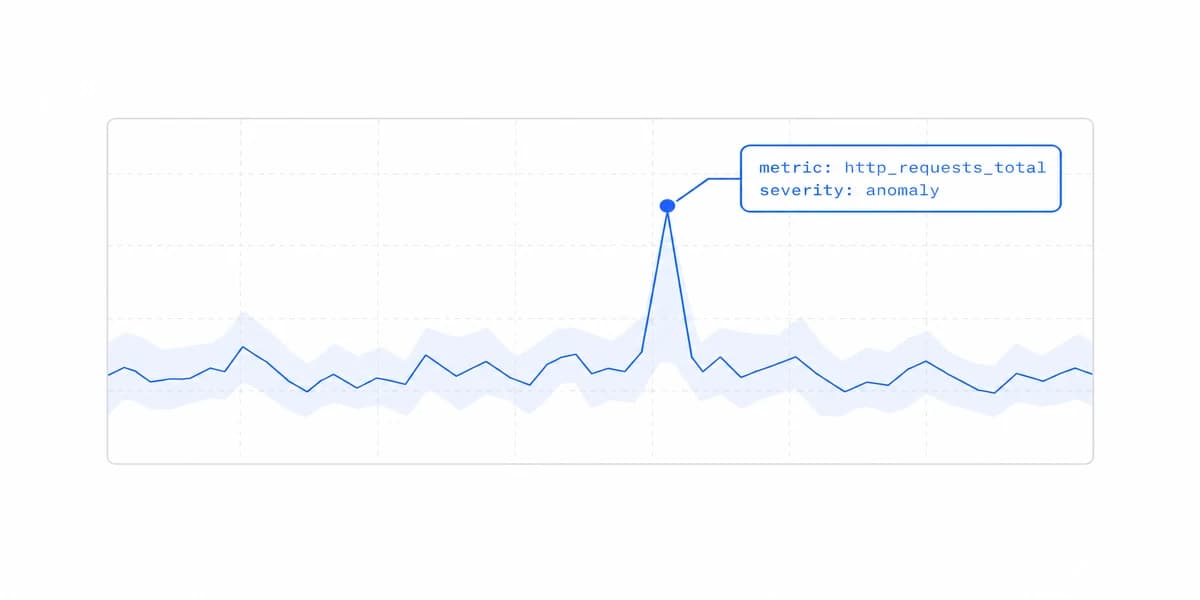
Traditional analytics is reactive. Your customer opens a dashboard, notices an anomaly, decides what to do, then acts (maybe). Agentic analytics flips this: the system detects the anomaly, determines the appropriate response based on business rules, and either recommends action or executes it automatically.
This isn't new as a concept. We've had automated alerts and intelligent insights for years. What's changed is the sophistication of what AI agents can handle. They can now understand context, reason across multiple data sources, learn from patterns, and operate within complex decision frameworks, all while maintaining explainability and governance.
Analytics systems powered by AI agents that can autonomously monitor data, detect patterns, make decisions, and execute actions without constant human intervention, while maintaining transparency and control.
The practical difference shows up in how your customers use analytics. Instead of:
- Opening a dashboard
- Spotting a trend
- Deciding what it means
- Taking action somewhere else
They get:
- An alert that the system already analyzed the trend
- A recommended action (or action already taken)
- Full context and reasoning for review
For embedded analytics platforms, this changes the value proposition entirely. You're not just giving customers visibility into their data. You're giving them a system that actively works for them.
Agentic Systems Monitor Continuously Instead of Waiting to Be Asked
The shift from traditional to agentic analytics mirrors what happened in other areas of enterprise software. Email went from reactive (check your inbox) to proactive (smart filters and priority sorting). CRM went from static records to intelligent next-action recommendations.
Analytics is having its moment.
Traditional BI tools (even modern ones with AI capabilities) still operate on the same fundamental model: you ask questions, they give answers. Agentic systems operate differently: they monitor continuously, detect what matters, and surface decision-ready intelligence.
The gap this closes is massive. In traditional analytics workflows, there's delay at every step:
- Delay between event and detection (someone has to check the dashboard)
- Delay between detection and decision (someone has to interpret what it means)
- Delay between decision and action (someone has to execute)
Each delay compounds. By the time your customer notices an anomaly, understands it, decides what to do, and acts, the opportunity window may have closed.
Agentic systems compress this timeline. They're continuously analyzing data streams, applying business logic, and either recommending actions or executing them within defined guardrails. The human role shifts from "find and fix" to "review and validate."
This matters especially for a customer-facing analytics product like ours. Your customers don't want to become data analysts. They want their data to work for them, proactively flagging risks, identifying opportunities, and suggesting (or taking) appropriate actions.
The technical capabilities enabling this are maturing fast: better LLMs for reasoning, more sophisticated agent frameworks, improved explainability, and stronger governance tooling. What was experimental two years ago is becoming production-ready now.
Almost Every Agentic Analytics Conversation Is Internal, and That Leaves Half the Ground Untouched
Here's where most agentic analytics conversations miss the bigger opportunity. Nearly all the current focus is on internal use cases, GTM teams, field service operations, enterprise decision intelligence.
But there's a parallel track that's barely being discussed: customer-facing agentic analytics.
If you're building a SaaS product, your customers expect analytics. But static dashboards aren't competitive anymore. Your customers' competitors are shipping interfaces that don't just show data, they provide intelligent, proactive insights.
Embedded agentic analytics means giving your customers:
- Continuous monitoring of their data (not just when they log in)
- Automated detection of patterns and anomalies
- Contextual recommendations based on their business goals
- The ability to act on insights directly within your product
This is different from enterprise BI in critical ways. Enterprise systems optimize for depth and flexibility, analysts spending hours exploring data. Customer-facing systems optimize for speed and clarity, business users getting actionable intelligence instantly.
The infrastructure requirements differ too. Enterprise agentic systems can be complex, heavyweight, and expensive to run. Embedded analytics platforms need to be fast, lightweight, and multi-tenant by default.
We're seeing early patterns emerge:
- E-commerce platforms embedding agents that detect inventory issues and auto-suggest reorder points
- Marketing tools with agents that monitor campaign performance and recommend budget adjustments
- Financial software using agents to flag compliance risks and suggest corrective actions
The common thread: these aren't replacing human judgment. They're augmenting it with continuous, intelligent monitoring that scales beyond what any team could do manually.
For SaaS companies, this becomes a strategic question: do you build this capability in-house, or embed it through a platform that handles the complexity?
Building agentic analytics from scratch means:
- Developing agent orchestration frameworks
- Managing LLM integrations, costs, and explainability
- Handling multi-tenant data isolation
- Creating governance and control interfaces
- Maintaining everything as models and best practices evolve
Or you can embed through platforms designed for this, where the infrastructure, security, and governance are handled, and you focus on the business logic specific to your domain.
The trends across the embedded analytics alternatives we track all point toward this shift: from static to interactive, from reactive to proactive, from human-driven to AI-augmented.
What It Takes to Make Agentic Analytics Work
The technology is maturing, but making agentic analytics work in production isn't just a technical challenge. Three things have to be true:
1. Trust and explainability
Your customers won't trust a "black box" that makes decisions about their business. Agentic systems need to show their work, not just "here's what you should do" but "here's why, based on these patterns in your data."
This is where many current implementations fall short. Explainability can't be an afterthought. The agent's reasoning process needs to be transparent, auditable, and understandable to non-technical users.
2. Governance and control
Autonomy doesn't mean "no oversight." Effective agentic systems let users define:
- What actions the agent can take automatically vs. what requires approval
- Decision boundaries and escalation rules
- Which data sources and business rules the agent operates within
The goal is intelligent automation within guardrails, not unconstrained AI making business decisions.
3. Speed and reliability
Agentic systems that take seconds to respond aren't proactive. They're just slow reactive systems. For customer-facing use cases especially, speed matters.
This intersects with embedded analytics architecture. If your rendering is slow, your data pipelines are delayed, or your infrastructure can't handle real-time data processing, agentic capabilities become theoretical rather than practical.
The platforms that will succeed here are the ones that built for speed from day one, where analytics feels instant, not laggy. Where multi-tenancy is native, not bolted on. Where the entire stack is optimized for embedded, customer-facing use cases.
For AI-powered analytics specifically, this means choosing architectures that can handle:
- Real-time data processing
- Low-latency model inference
- Efficient multi-tenant isolation
- Fast rendering and interaction
The technical complexity is real. But so is the opportunity. The SaaS companies that figure out how to embed agentic analytics effectively will have a significant competitive advantage, not just in product differentiation, but in actual customer outcomes.
Your customers don't want more dashboards to check. They want systems that work proactively on their behalf. Agentic analytics is how you deliver that.
Where to go next
- AI analytics guide: the seven categories of AI analytics, and which question each one actually answers. Agentic is one of them.
- Predictive analytics dashboards: the forecasting category, and how a prediction becomes something a customer can act on.
- AI analytics articles: every article in this cluster.
Ready to launch customer-facing analytics?
Stop losing customers to competitors with better analytics. Sumboard's customer-facing analytics platform lets you launch self-service dashboards in days, not months.