Finance teams can have detailed accounting records and still lack a timely operating view of liquidity.
The typical workflow looks like this: Wait for month-end close, export data from the accounting system, build a report, email it to stakeholders, then repeat. By the time anyone sees the numbers, they're making decisions based on information that's already 2-3 weeks old.
A useful cash flow dashboard complements the close by supporting forward-looking decisions between reporting cycles.
Why Cash Flow Dashboards Need to Be More Than Backward-Looking
Traditional cash flow statements are accounting artifacts, they tell you what happened after it happened. But when you're managing a growing business with tight margins, what you really need is forward visibility into your liquidity position.
From conversations with CFOs and finance leads, the questions they're asking have changed:
- "What's our runway at current burn rate?"
- "If we close these three deals this quarter, how does that affect our cash position in Q3?"
- "We're about to hire 5 engineers, can we afford that without raising?"
These aren't backward-looking questions. They require tracking key financial metrics continuously, not monthly.
Monthly Reporting Creates an Artificial Delay Once Payments Settle Instantly
Monthly cash flow statements were designed for a world where financial data moved slowly. But when payments are processed instantly, subscriptions renew automatically, and bank balances update throughout the day, monthly reporting creates artificial delays.
The formal monthly close should remain the reconciled accounting record. A separate operating dashboard can refresh more frequently, provided that it labels preliminary data, documents exclusions, and reconciles back to the ledger.
What finance teams actually want to see continuously
The most useful financial dashboard implementations we've seen focus on three core views:
- Current liquidity position (available cash + commitments due in next 30 days)
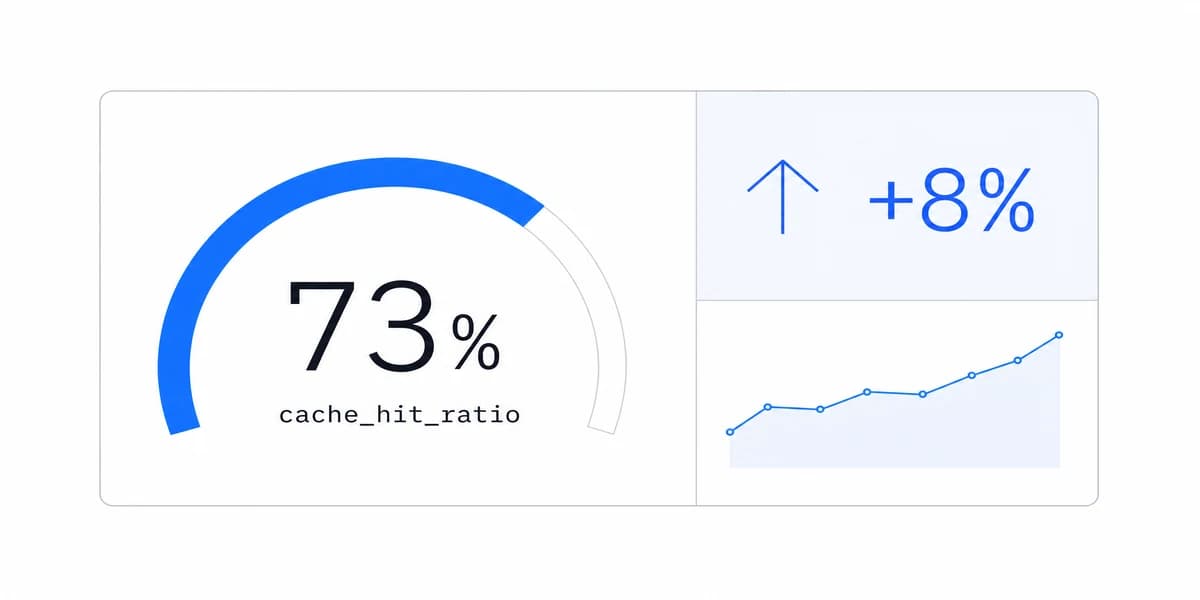
- Burn rate trend (is our monthly cash consumption accelerating or stabilizing?)
- Forecast confidence (how accurate have our projections been lately?)
The appropriate refresh cadence may be daily, weekly, or event-driven. It should be no faster than the source data can be validated and no slower than the decision window it supports.
The Three Core Components Every Cash Flow Dashboard Needs
Three views cover many operating liquidity questions without attempting to replace a cash flow statement.
Operating activities view (the heartbeat metric)
Operating cash flow is your business's heartbeat. But most dashboard implementations show it as a single monthly number, which hides the critical patterns.
What works better: A weekly rolling view that separates inflows and outflows, so you can spot when collections are slowing down or when unexpected expenses are spiking.
For example, a decline in weekly receivables collections can prompt a review of overdue invoices, concentration, and payment timing before the monthly close. The dashboard should distinguish a real deterioration from posting delays or normal seasonality.
Liquidity forecasting (the runway calculator)
Every founder and CFO has some version of the "runway calculation" in their head. The dashboard should make that calculation explicit and continuously updated.
Inputs to expose
- Current cash balance
- Projected monthly burn rate
- Expected inflows (signed contracts, upcoming renewals)
- Known large expenses (annual software renewals, tax payments, bonus cycles)
A scenario range is usually more honest than a single runway value. If the model shows a statistical confidence interval, document how it was calibrated; otherwise label the result as scenarios based on explicit assumptions rather than as confidence.
Variance analysis (plan vs. actual)
Budget variance reporting usually happens monthly, but the useful decisions happen when you catch variances early.
A cash flow dashboard can show weekly actuals against the monthly plan on a cumulative basis, together with the remaining forecast and a materiality threshold. This may reveal drift before the month closes, subject to transaction-posting latency.
Track detection date, investigation date, and action date after rollout. Those measurements establish whether the higher-frequency view creates useful lead time for this team rather than merely producing more alerts.
The Right Chart Makes the Pattern Obvious and the Wrong One Hides It
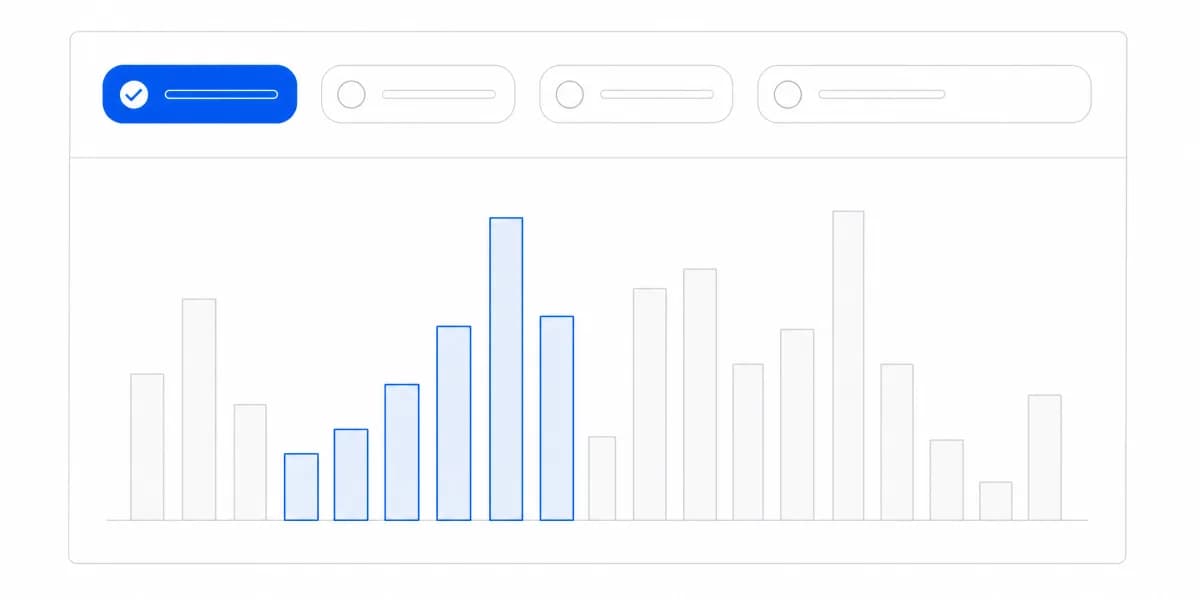
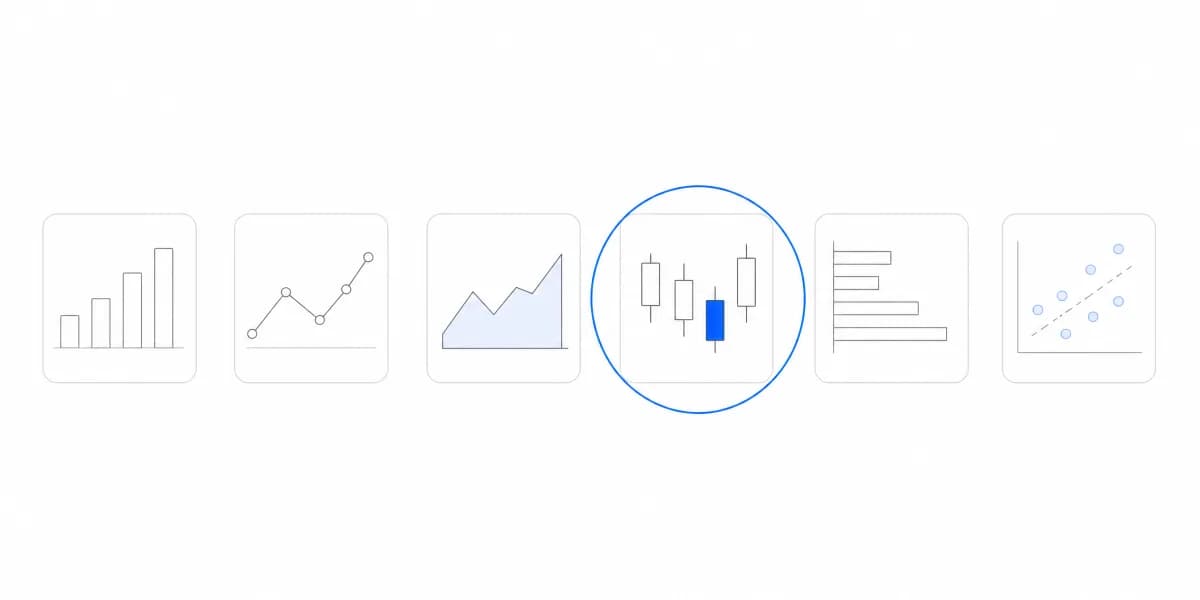
Cash flow data has specific characteristics that make some chart types and visualization approaches more effective than others. The right chart can make patterns obvious; the wrong one hides them.
A Bridge View Shows How the Opening Balance Became the Closing One
A bridge or contribution view can show how the opening balance became the closing balance by separating collections, operating payments, financing, investing, and other material movements.
For an illustrative $250K month-over-month decline, a bridge could separate a $180K collection shortfall from $70K of additional payments. A line chart shows timing; the bridge explains contribution. Use both when the reader needs both questions answered.
The Most Useful Cash Flow Metric Is the Rate of Change, Not the Number
The most insightful cash flow metric isn't any single number. It's the rate of change in that number over time.
Effective dashboards show 13-week rolling trends for:
- Weekly cash receipts
- Weekly cash disbursements
- Net weekly cash flow
A 13-week window is common in short-term cash planning, but it is not automatically long enough to establish seasonality. Compare with prior equivalent periods when the business has annual or event-driven cycles.
Every Alert Needs an Owner, a Threshold, a Freshness Check and an Escalation
Scheduled reports or alerts can flag agreed conditions between reviews. Each alert needs a named owner, a materiality threshold, source freshness checks, and an escalation action.
Common monitoring triggers:
- Cash balance drops below N months of burn rate
- Weekly collections fall X% below forecast
- Upcoming payment obligations exceed projected available cash
Measure alert precision and response time. Frequent false alarms or alerts based on stale data reduce trust and should be tuned or removed.
When Cash Flow Dashboards Become Customer-Facing
Here's where cash flow dashboards get interesting: some of our customers are embedding them into their own products with a customer-facing analytics product, as a feature their users can access.
B2B fintech use cases
If you're building:
- Payment processing platforms
- Accounting software
- Financial management tools
- Business banking products
...then your customers need cash flow visibility as much as your internal finance team does. Maybe more.
B2B fintech products may offer embedded dashboard analytics as part of a paid plan or as a core workflow. Treat retention impact as a hypothesis: compare activation, repeated task completion, support demand, and retention with appropriate cohorts rather than assuming that access to a runway metric prevents churn.
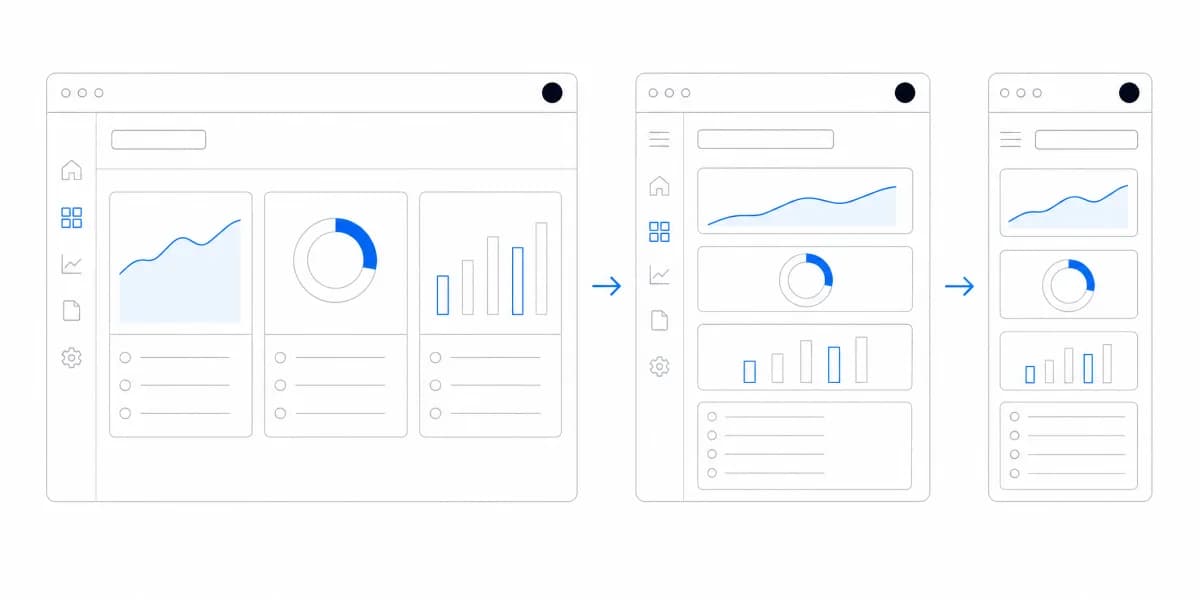
Customer-Facing Dashboards Need Different Trade-offs Than Internal Ones
Customer-facing cash flow dashboards require different trade-offs than internal ones:
Internal dashboard detail
- Complex multi-dimensional breakdowns
- Accounting methodology details
- Assumptions and calculation notes
Customer-facing priorities
- Simpler metrics (fewer than 10 key numbers)
- Plain language explanations (not accounting jargon)
- Actionable insights (not just data)
Start with the smallest set of metrics needed to complete the target task, then test comprehension and action with representative users. Add detail through drill-downs when it resolves a real follow-up question. More data does not automatically create more understanding.
The Best Cash Flow Dashboards Change What Decisions Get Made, and When
The best cash flow dashboards aren't the ones with the most metrics or the fanciest visualizations. They're the ones that change what decisions get made and when.
Higher-frequency visibility is useful only when the data is fresh, reconciled enough for the decision, and paired with an owner who can act. For customer-facing analytics, evaluate whether users understand the numbers and complete the intended task; do not infer financial outcomes or retention from page views alone.
Define the decision, acceptable data latency, forecast assumptions, and action threshold before choosing the dashboard's refresh rate or visual design.
Where to go next
- Chart types guide: more than forty charts grouped by the question each one answers.
- Bad Data Visualization: seven charts that lost their readers, each with the defect named.
- Data Visualization articles: every article in this cluster.
Ready to launch customer-facing analytics?
Stop losing customers to competitors with better analytics. Sumboard's customer-facing analytics platform lets you launch self-service dashboards in days, not months.