
April 5, 2026•9 min read
Recharts vs Victory: React Charting Library Comparison
Compare Recharts and Victory by web API, maintenance signals, measured performance, accessibility, and the separate Victory Native path.
Topic
The charting library you pick shapes every dashboard you'll ever ship. This cluster covers the most widely used JavaScript visualization libraries: Chart.js, D3.js, Recharts, ECharts, Highcharts and Victory, with practical tutorials, comparisons, and migration guides. You'll also find component-level guides for React dashboard development and framework-specific patterns. Written for frontend engineers and full-stack developers building the visualization layer of a data product.
Compare Recharts and Victory by web API, maintenance signals, measured performance, accessibility, and the separate Victory Native path.
Most React component libraries are built for admin panels. Here's what changes when you're building customer-facing analytics.
Compare Chart.js and Highcharts by licence scope, rendering model, export, accessibility, performance evidence, and the product work both leave behind.
ECharts handles complex visualizations well, but building production customer-facing dashboards requires more than a charting library.
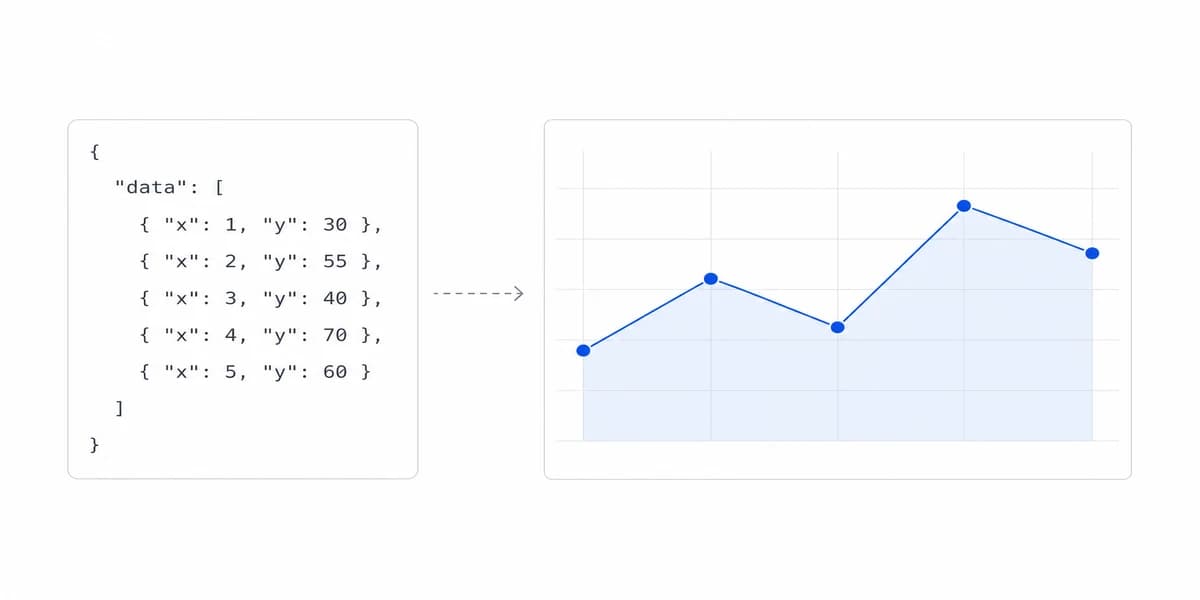
D3 provides low-level visualization building blocks. Use this decision framework to separate custom rendering value from the dashboard capabilities your team still owns.
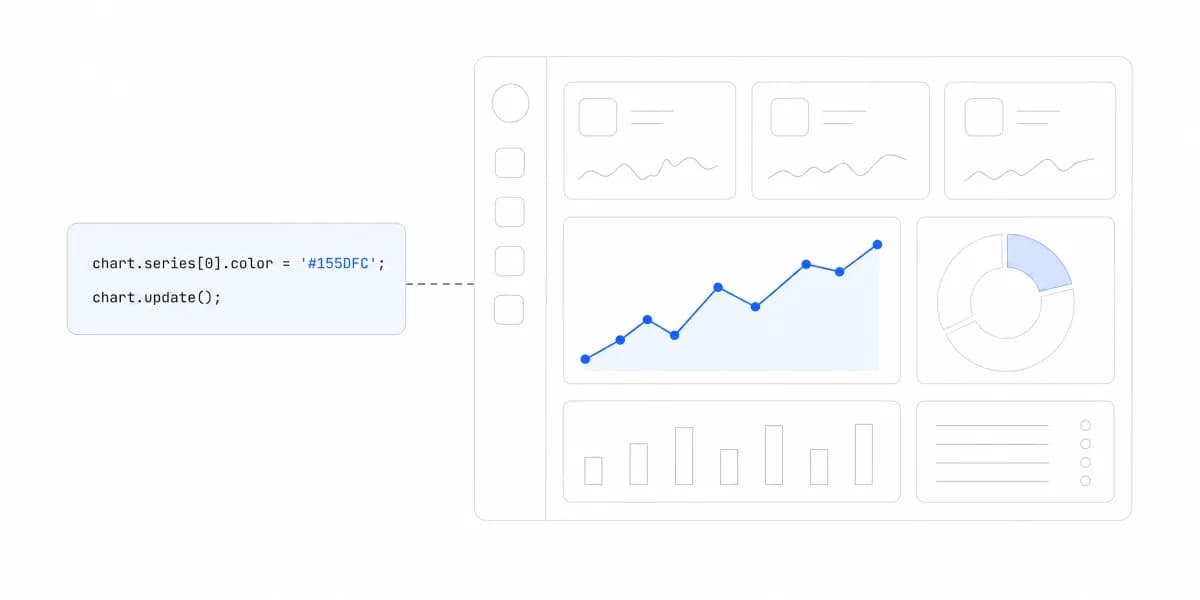
Chart.js renders to canvas, and that one decision drives everything after it: responsive containers, lifecycle cleanup, accessibility, and what performance you can actually measure.
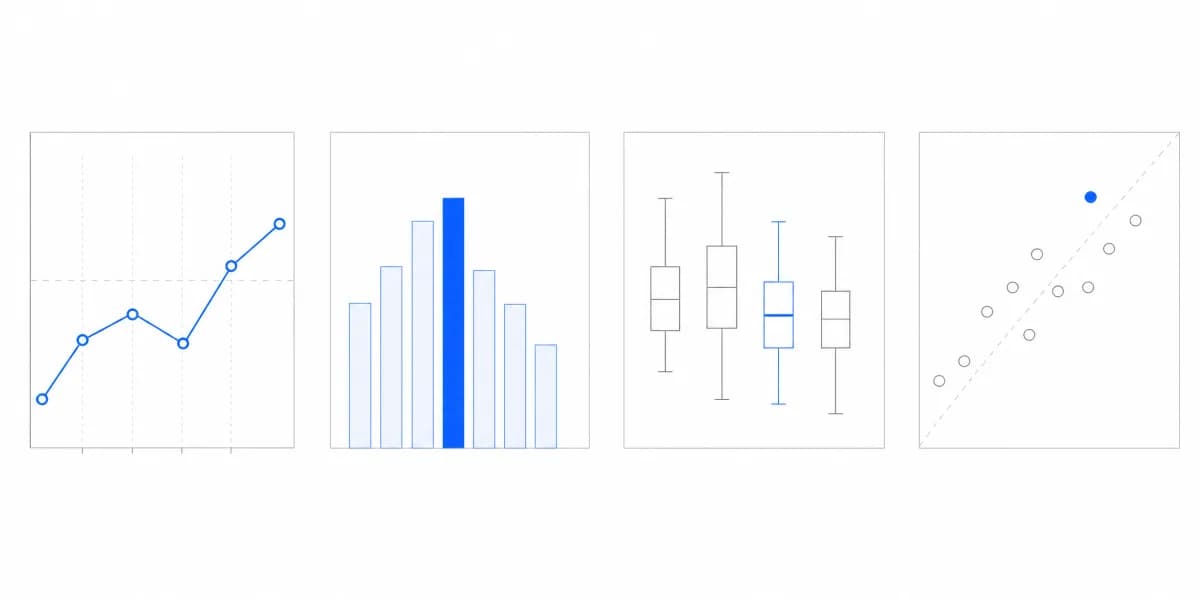
Recharts is a composable charting library built for React. When to use it, how it compares with Chart.js and D3.js, and whether it belongs in an embedded analytics dashboard.
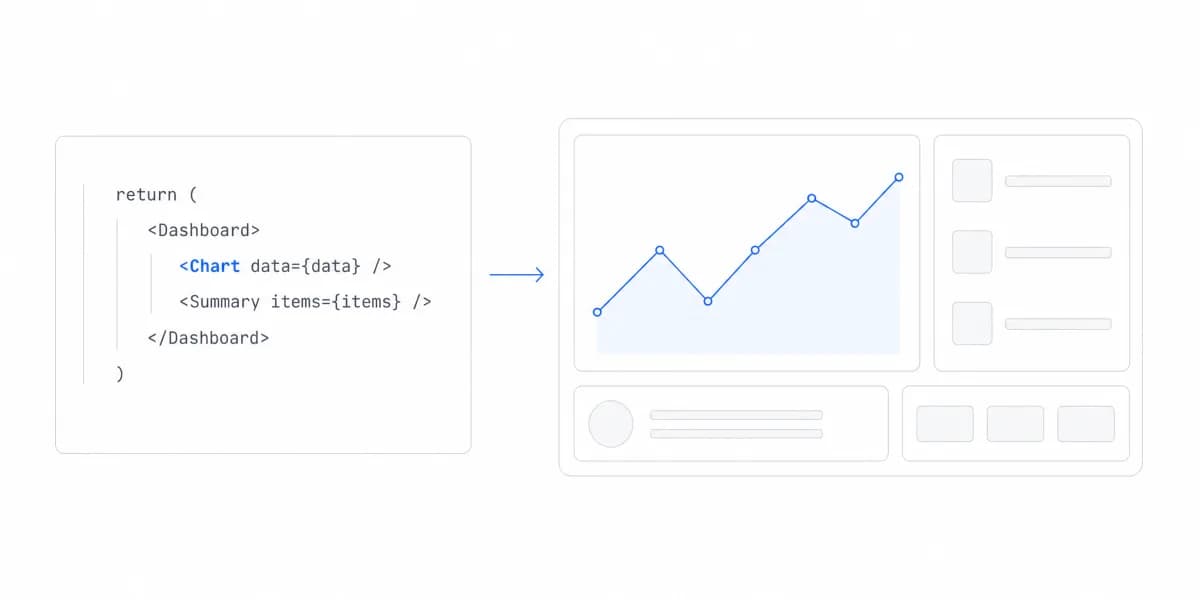
Compare leading React chart libraries using official package evidence, a reproducible benchmark contract, and embedded analytics requirements for production data visualizations in B2B SaaS applications.

Compare D3.js, ECharts, Chart.js, Highcharts, Recharts, and ApexCharts by documented rendering boundary, framework fit, licensing, and a production-shaped prototype rather than unsupported league-table scores.