
April 17, 2026•11 min read
Tableau vs Power BI: Which is Better in 2026?
Comparing Tableau and Power BI? Most articles miss the real question: are internal BI tools even the right choice for customer-facing analytics?
Topic
Choosing a BI tool or evaluating alternatives is one of the most time-consuming decisions a data or product team makes. This cluster cuts through the vendor marketing: direct comparisons between Looker, Metabase, Power BI, Grafana, Sisense, Tableau, Qlik, and Domo, plus honest evaluations of when embedded alternatives outperform traditional BI for SaaS use cases. If you're mid-evaluation or considering a migration, these articles give you the tradeoffs without the sales call.
Comparing Tableau and Power BI? Most articles miss the real question: are internal BI tools even the right choice for customer-facing analytics?
Tableau works for internal BI, but customer-facing analytics need something different. Here's what product teams are choosing.
Comparing two enterprise BI platforms that many SaaS teams evaluate, and why most end up looking elsewhere.
Compare Sisense alternatives by embedding route, semantic results, identity, product experience, operations, commercial terms, and a recoverable cutover.
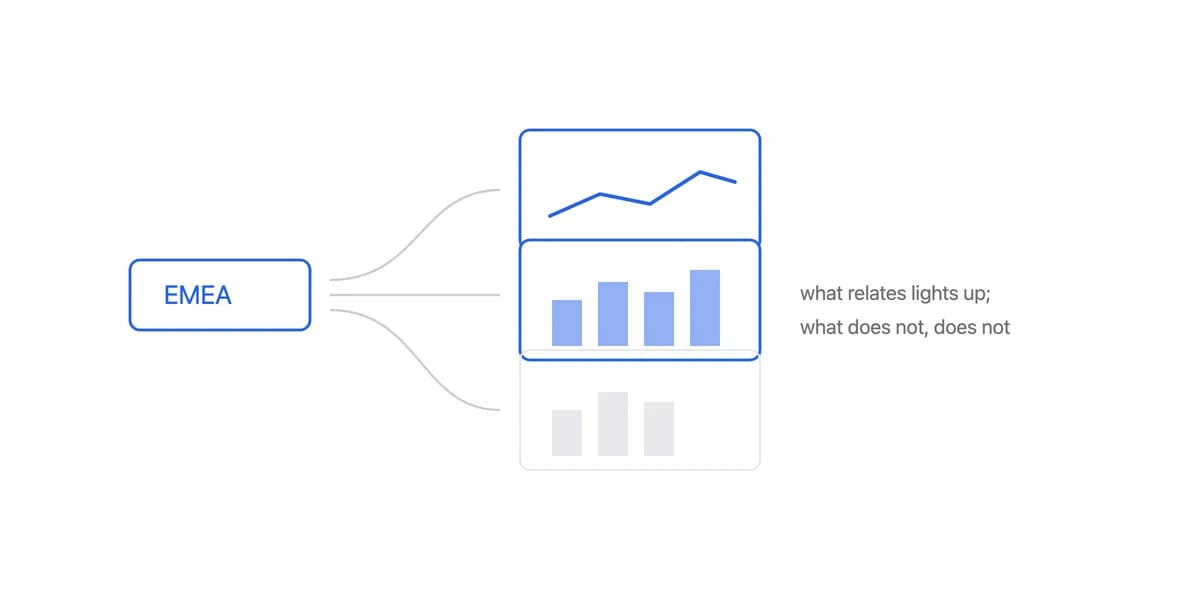
Choose and test the exact Qlik deployment route before comparing alternatives: authenticated customer analytics, Anonymous Access, and no-auth snapshots have different contracts.
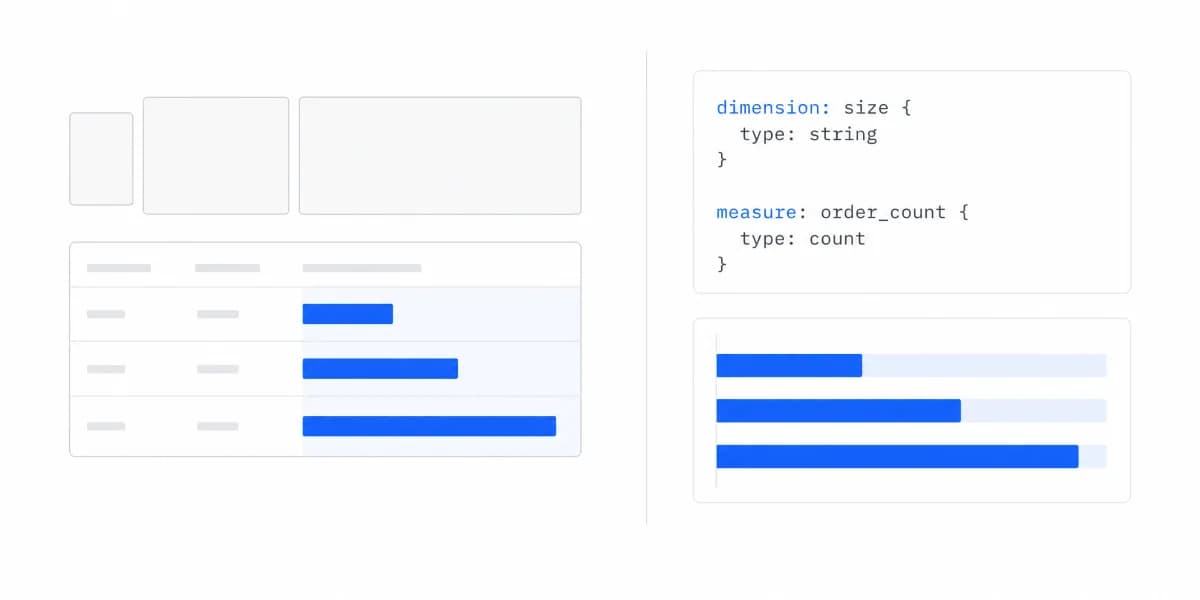
Power BI and Looker take fundamentally different approaches to business intelligence. Here's what matters when choosing between them.
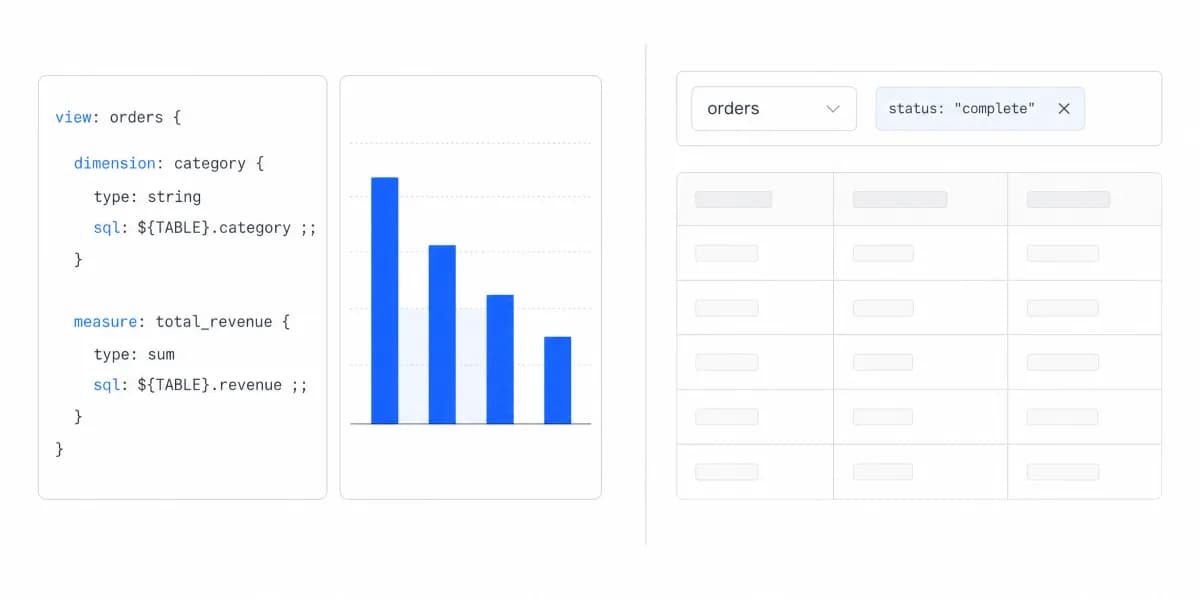
Comparing Power BI and Looker for embedded analytics? Here's what product teams miss when choosing between enterprise BI tools.
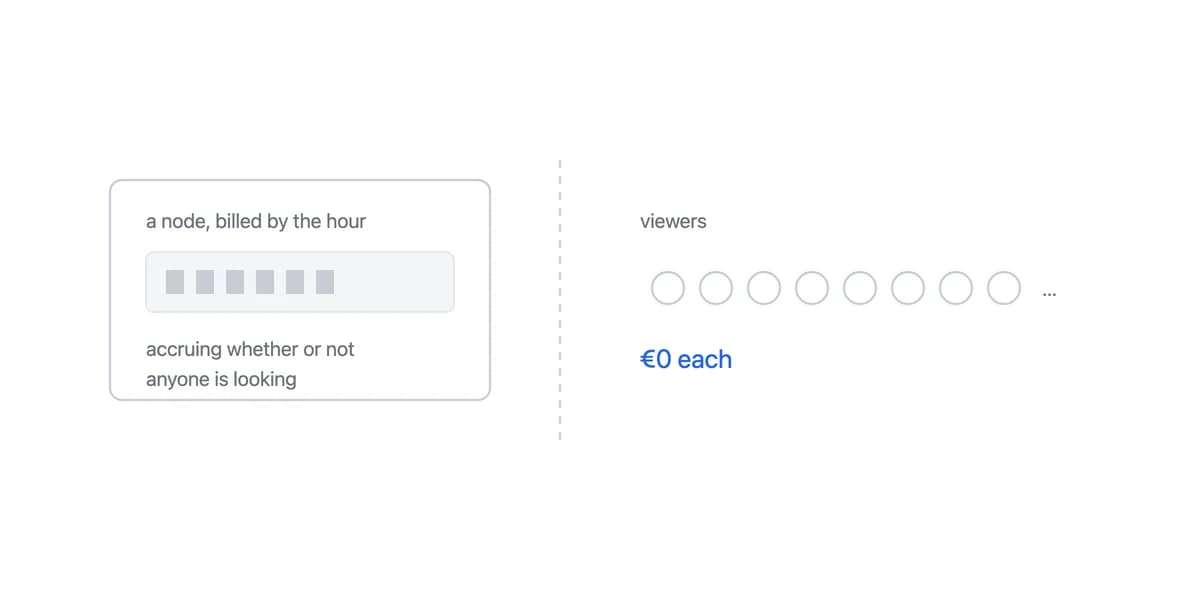
Power BI Embedded works for Microsoft shops, but SaaS teams hit Azure costs and integration complexity fast. Here's what to look for instead.
Compare Metabase with embedded-first analytics using architecture, branding, tenancy, operating cost, and current pricing evidence.
Looker and Metabase both support embedded analytics. Compare their semantic models, identity routes, operations, commercial terms, and exit evidence.
A Looker replacement decision should inventory semantics, access, embedding, artifacts and commercial terms, then prove a bounded candidate slice.
Grafana and Metabase overlap at dashboards but differ in workload, access, delivery, and operations. Use a production-shaped test to choose.
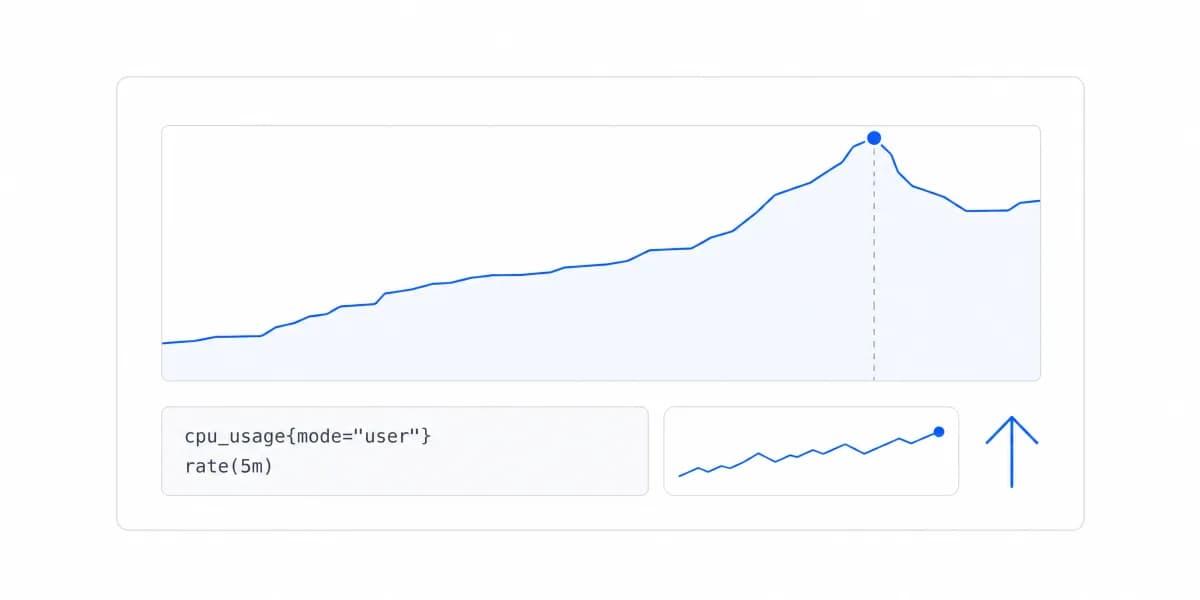
Grafana visualizes far more than infrastructure metrics. The right alternative depends on identity, tenancy, workflow, and branding requirements.
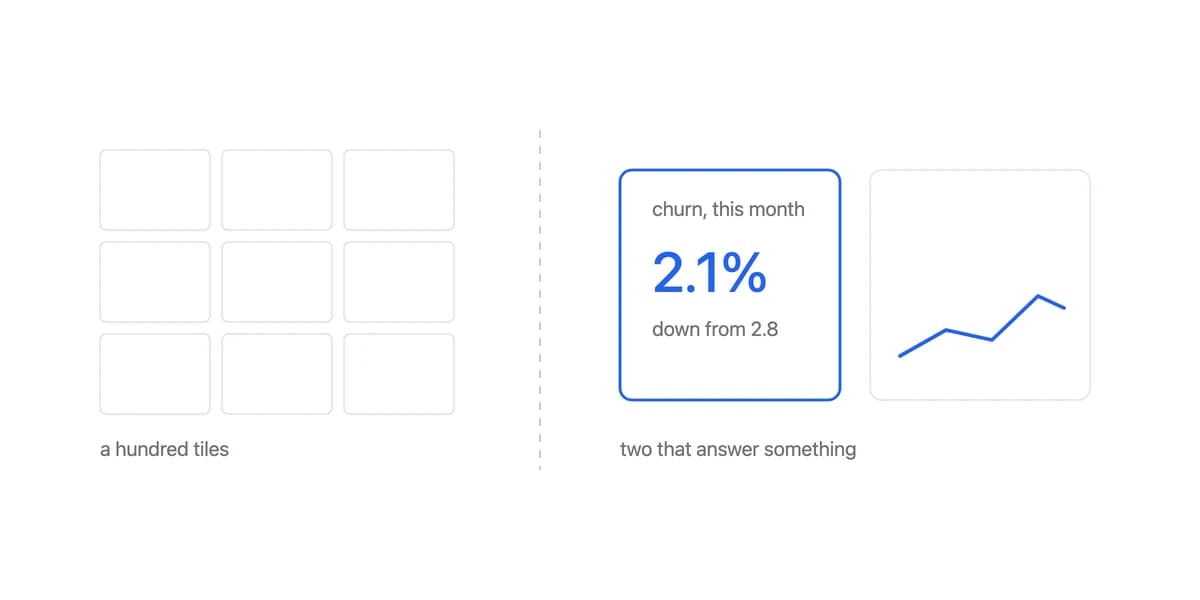
Looking beyond Domo for customer-facing analytics? Here's what SaaS product teams are choosing instead.
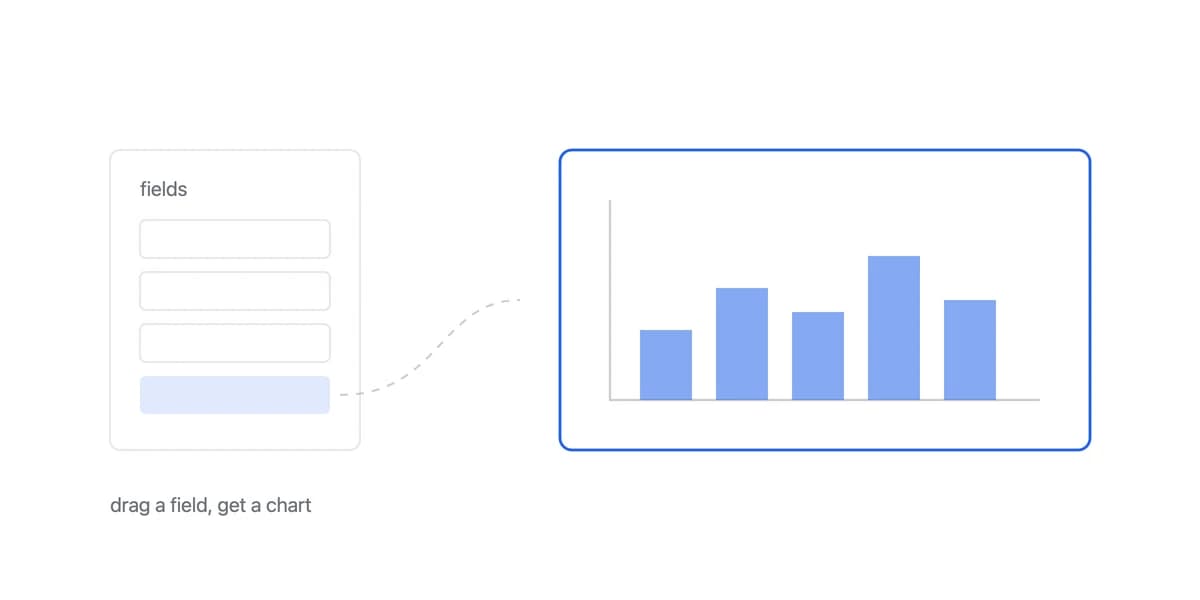
Tableau combines visual analysis, governed publishing, managed or self-managed delivery, and product embedding. Evaluate the data, identity, licensing, and operating contracts separately.
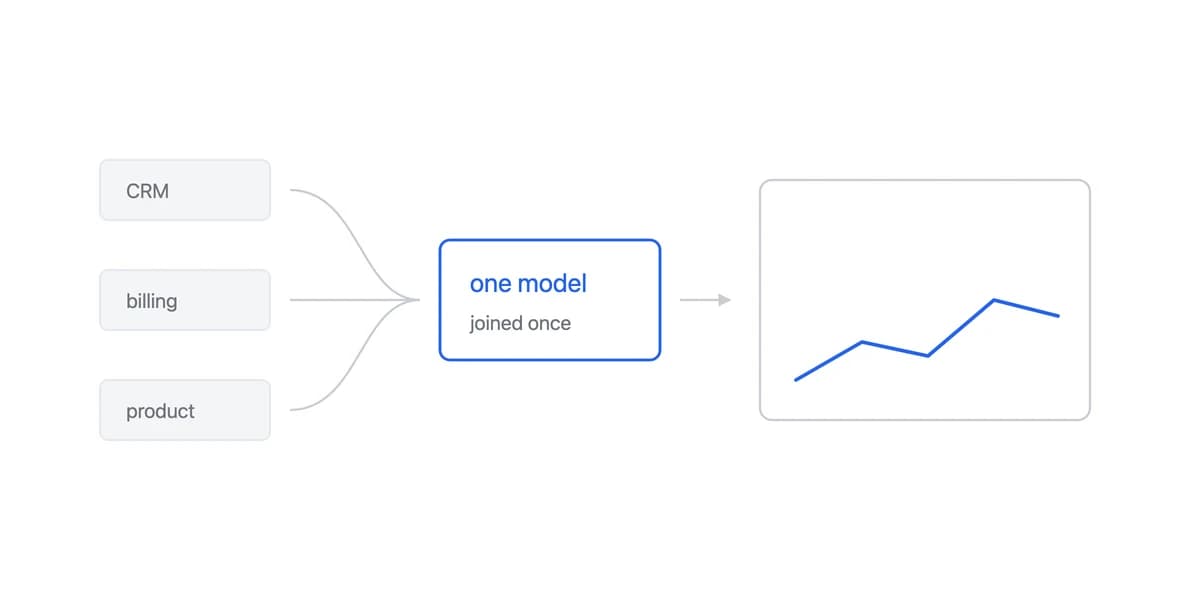
Sisense combines data modelling, dashboards, AI features, and four embedding routes. Here is how to evaluate its architecture and product fit without relying on vendor categories.
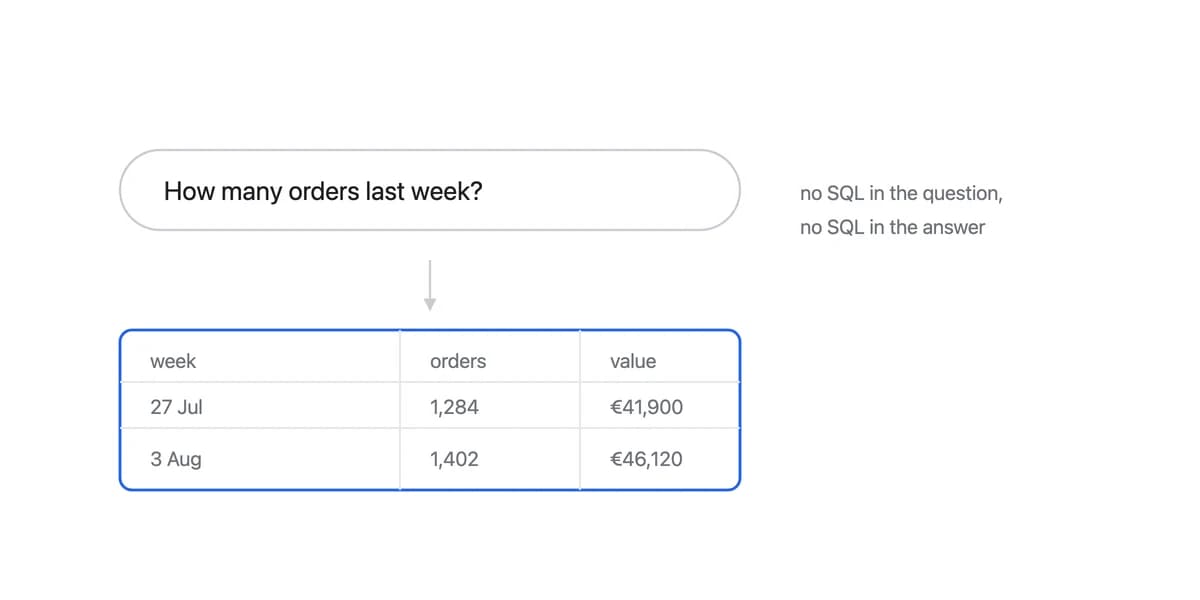
Metabase combines an open-source BI application with paid cloud, security, and embedding options. Here is how its query, deployment, and product-embedding choices differ.
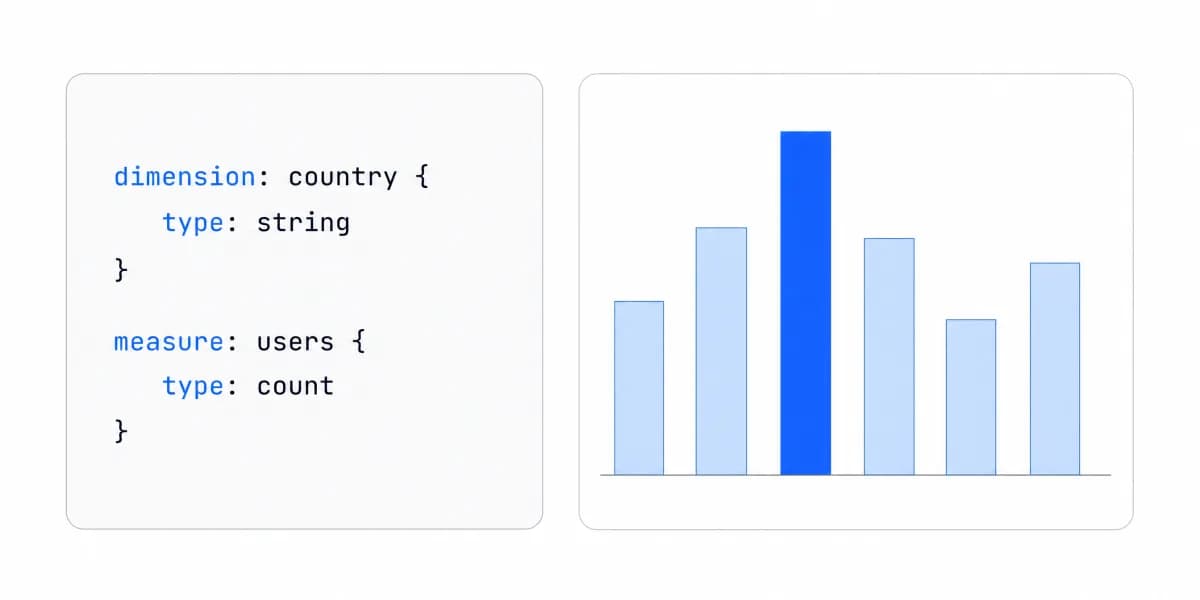
Looker is Google's governed BI platform. Understand LookML, query execution, cache and PDT behavior, content, embedding routes, editions, and fit.
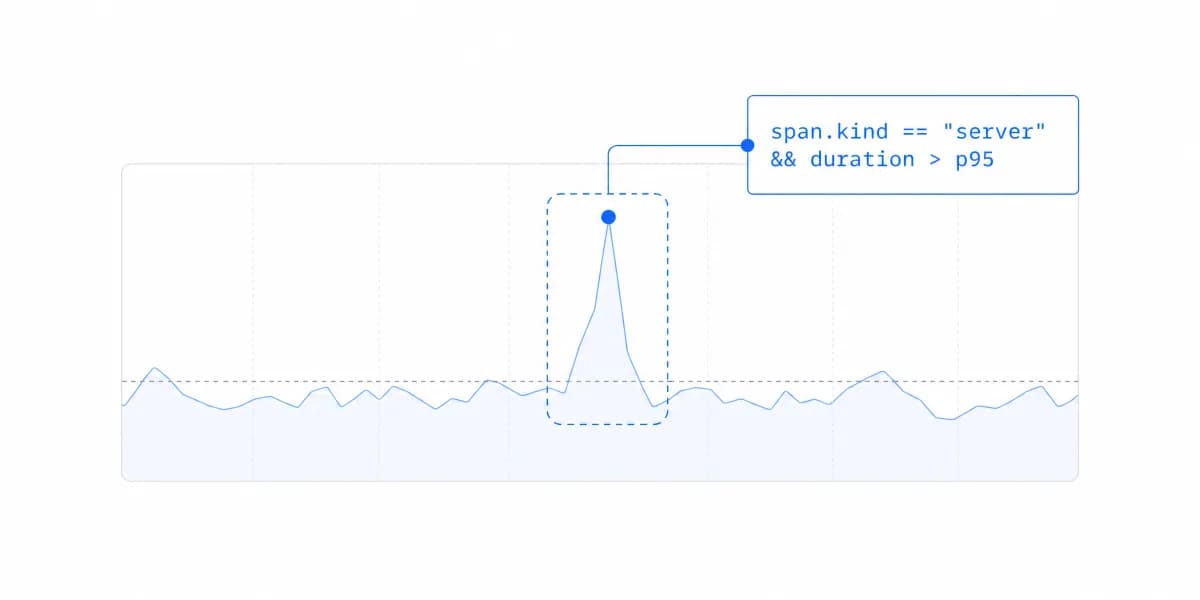
Grafana queries, transforms, visualizes, shares and alerts on data from telemetry, SQL, APIs and cloud services. Its editions, its delivery paths, and the trade-offs that show once it faces customers.
Why that 'free' open source BI tool might end up costing you $50K+/year, and when it actually makes sense.
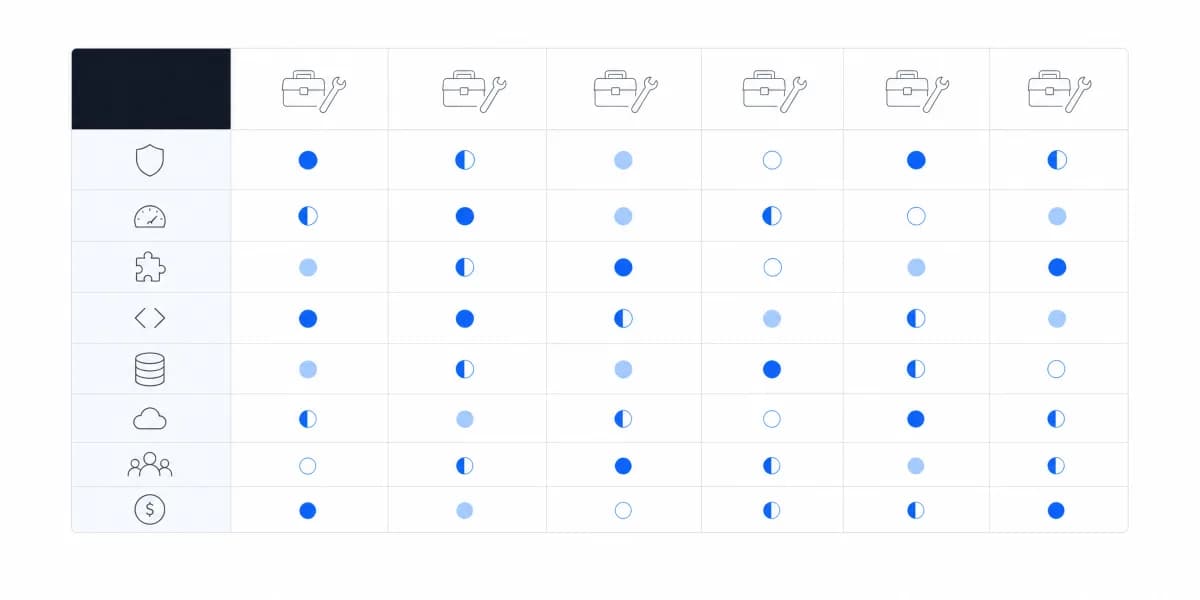
Most BI tool comparisons focus on features. Here's what actually matters when choosing between solutions.

Compare 13 embedded analytics alternatives. Find the right platform for your B2B SaaS product based on pricing, integration speed, architecture, and developer experience.

Compare top BI tools for embedded analytics. Side-by-side analysis of Tableau, Power BI, Looker, Metabase vs modern embedded platforms like Sumboard.