
March 22, 2026•8 min read
Self-Service Analytics Tools: Choosing Is the Smaller Half
Most self-service analytics tools are built for internal BI teams. If you're building customer-facing analytics, here's what actually matters.
Topic
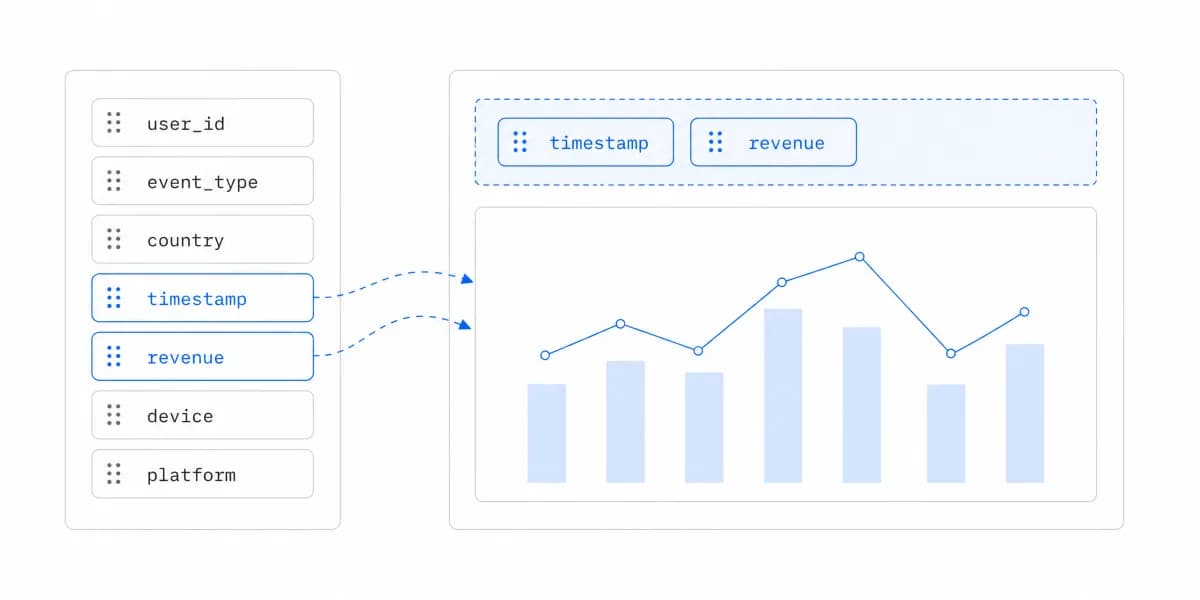
Self-service analytics was hiding inside the technical cluster, which is a fair description of how most teams treat it: an implementation detail of a BI rollout rather than a subject of its own. It is a subject of its own. Whether a customer can build their own report changes the support burden, the product's stickiness and the shape of the pricing, and none of those are engineering questions. This cluster covers what self-service actually requires, where it stops being self-service, and how the internal version differs from the customer-facing one.
Most self-service analytics tools are built for internal BI teams. If you're building customer-facing analytics, here's what actually matters.
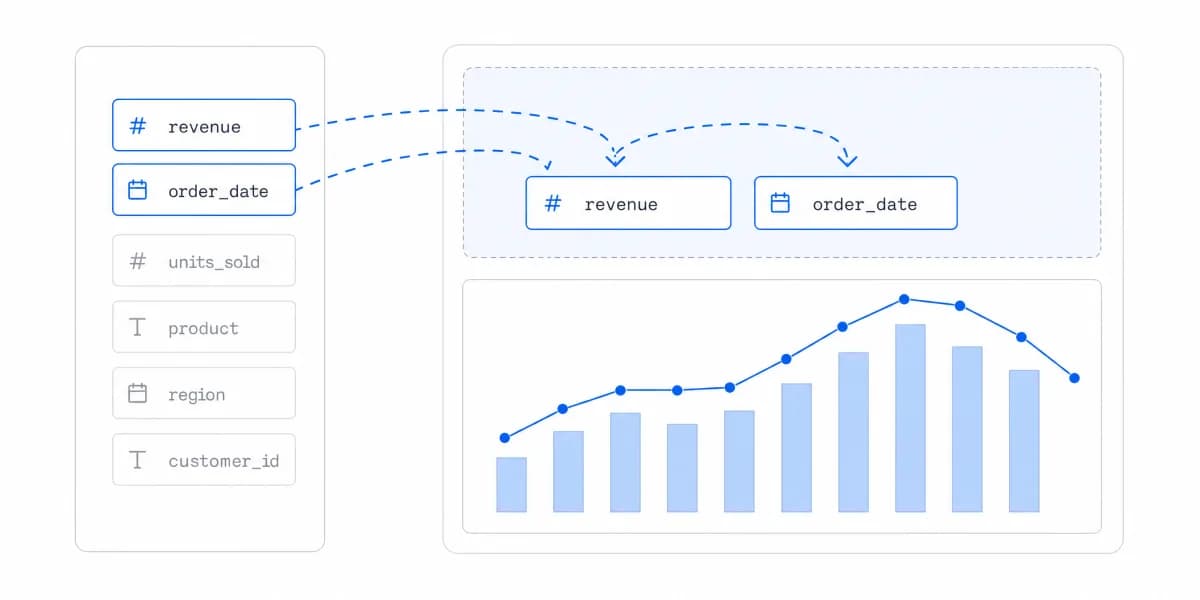
Design self-service analytics as a governed path from a scoped question to a published, supported, and safely retired customer artifact.
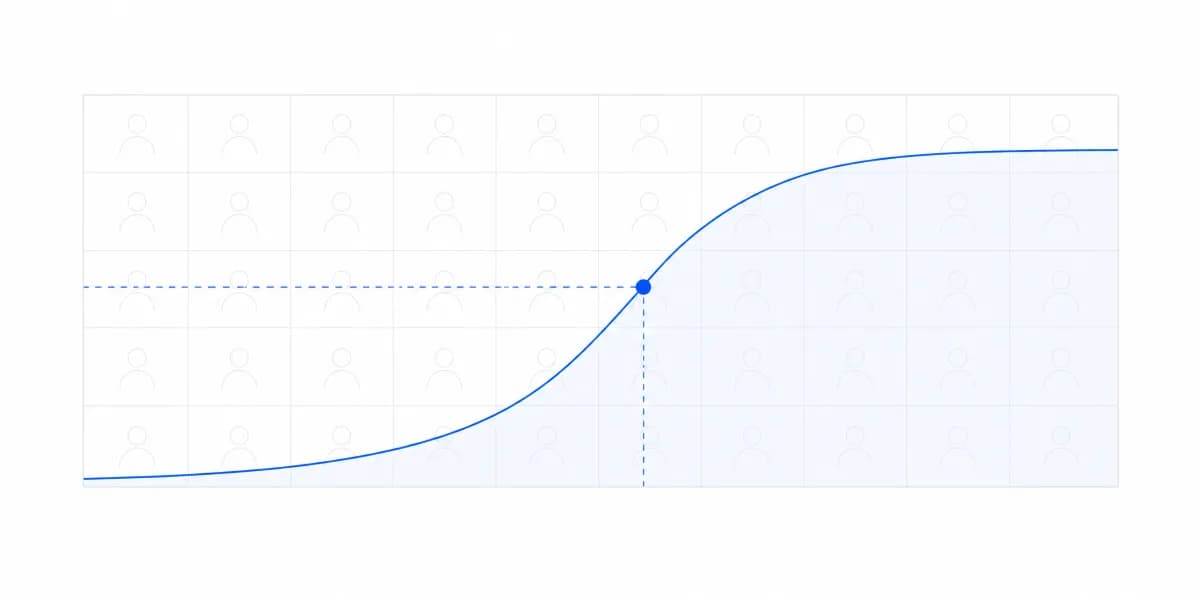
Treat self-service analytics as a lifecycle for exploring, reviewing, publishing, and operating trustworthy content.
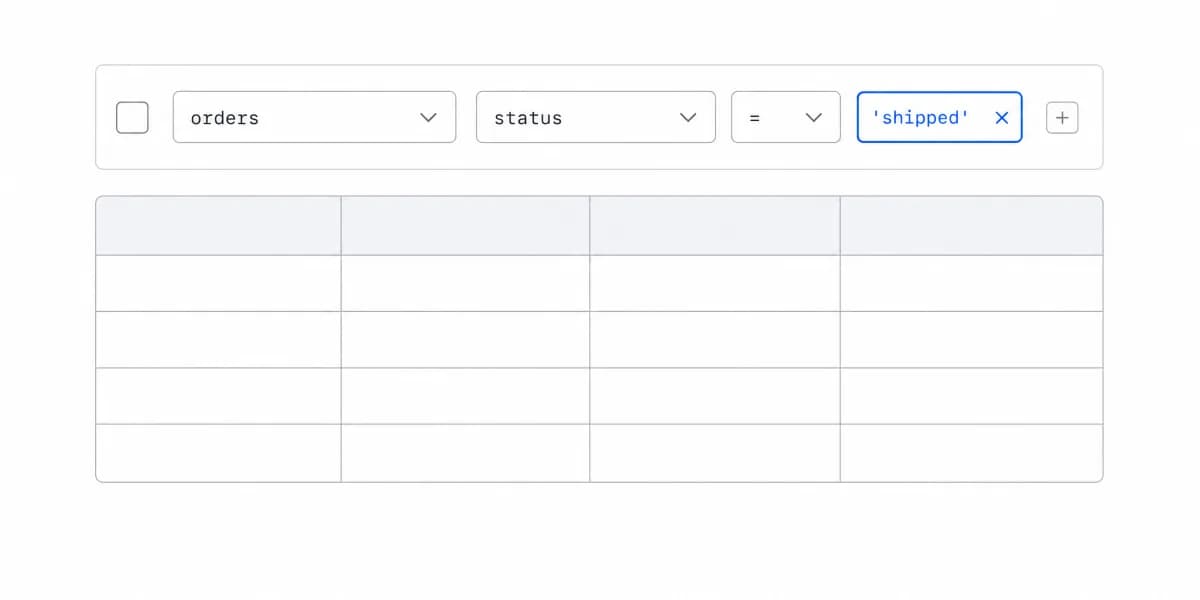
Implement self-service BI with explicit discovery, security, pilot, scale, and operating gates instead of a universal week-by-week promise.
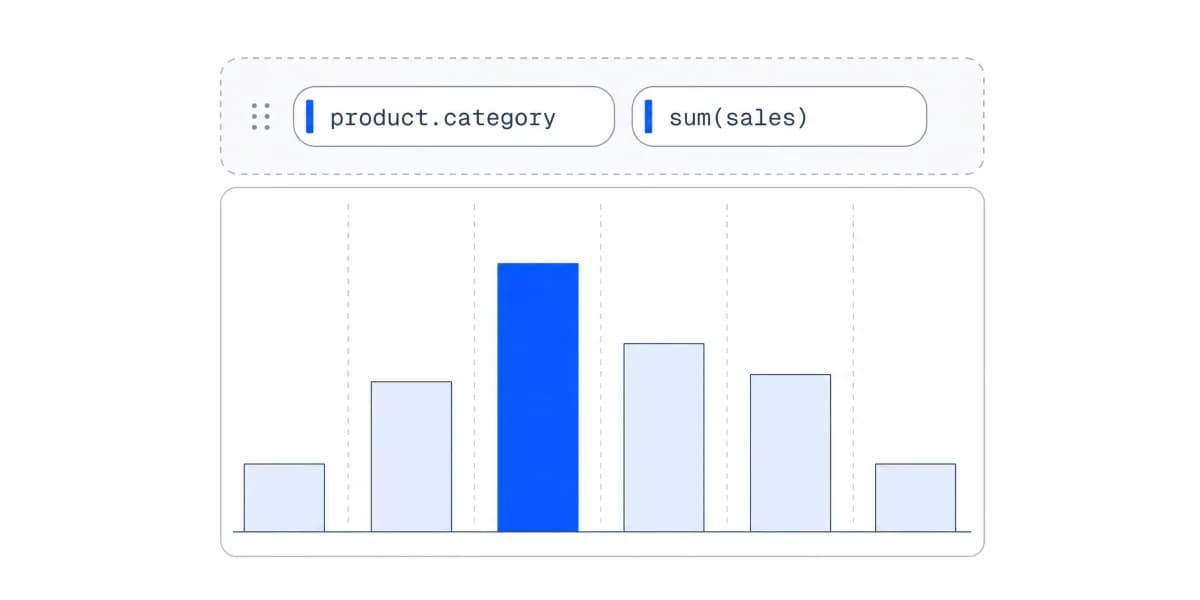
Self-service analytics guide for B2B SaaS: internal BI vs customer-facing embedded analytics, implementation strategies, multi-tenancy, and platform selection.

How to plan, build, test and maintain reports people actually use, and what changes when you stop building the reports and start shipping the surface your customers build them on: defining purpose when you will never meet the audience, preparing data you do not own, and testing a builder rather than a report.