

September 12, 2026•7 min read
Embedded Analytics for Energy Platforms
Interval meter data has to be reduced before it can be drawn, and the ordinary reduction deletes the number the customer is billed on.
Topic
Embedded analytics is how B2B SaaS teams deliver interactive data experiences natively inside their product, without redirecting customers to external BI tools. This cluster covers the full spectrum: from the build-vs-buy decision and integration approaches (iFrame vs SDK), to pricing models, security, white-labeling, and the real ROI teams see after shipping. Whether you're evaluating your first embedded analytics solution or optimizing an existing one, these articles are written for product and engineering teams who own the analytics roadmap.
Interval meter data has to be reduced before it can be drawn, and the ordinary reduction deletes the number the customer is billed on.

In education reporting a permitted aggregate can still identify a student, the threshold that decides it is set by each customer rather than by your product, and hiding one cell is not enough.

Construction platforms break three assumptions embedded analytics usually makes: the tenant is a project, the headline number's denominator is an estimate, and the data arrives after the day it describes.

Setting a relationship to filter in both directions does not make the security filter travel both ways. Microsoft documents that as a separate checkbox with its own default, and it documents separately what a viewer is shown when a report references a row that row-level security has configured. Reading the two together is what changes the decision for anyone whose dashboard sits inside another product.

One widely-circulated guide says give customers six to twelve months notice before a breaking change. We read what two embedded analytics vendors actually publish, and neither commits to a window. They publish two different kinds of promise instead.

Search this term and the first page is data and advisory firms. If you build CRE software the data is already yours to hold, and the hard part is that an owner, a property manager and an asset manager open the same dashboard and must see different rows.

Search for HIPAA-compliant analytics and every result on the first page is about web or marketing analytics. That is a real problem and it is not the one a healthcare SaaS has when its product shows a customer a dashboard built on patient data.

Article 32 gives four examples of appropriate measures and encryption is half of the first. The harder engineering problem is listing the copies a deletion request would have to reach, and a precomputed aggregate does not record which rows produced it.

The four things that kill embedded analytics in production are all invisible in a demo dataset. One published POC repository shows what its author built alongside the reports, and the list is longer than a chart.

Published build estimates run from $150,000 to $350,000. Two of the three name the team they price, and once you divide, those two agree closely. The third names nothing.

An alert has to fire when nobody is looking at the chart, and everything else about embedding assumes somebody is. Four vendor documentation pages say where alerting lives, and three of them never mention embedding at all.
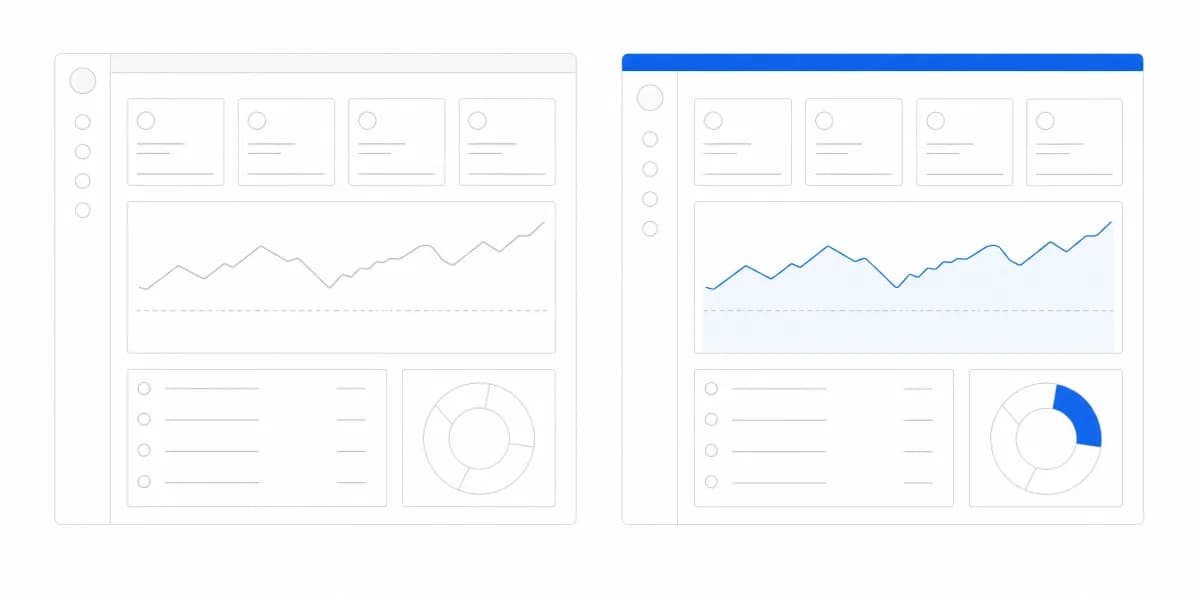
Agencies are discovering white label analytics opens doors beyond campaign reporting, from embedded product analytics to new revenue streams.
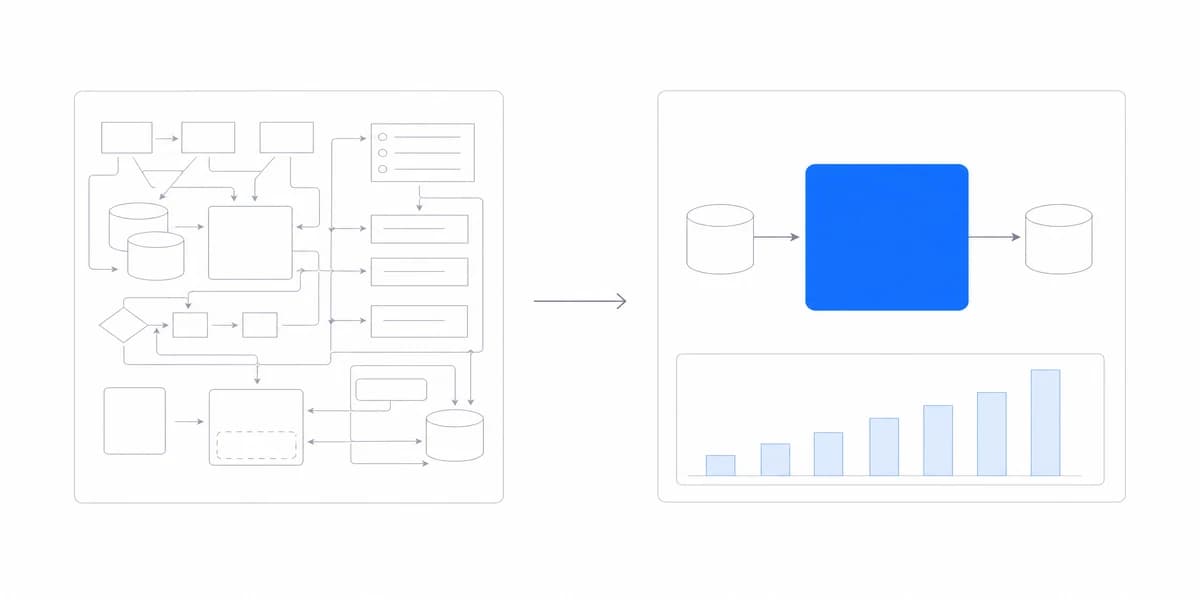
Why the best embedded dashboards blend smoothly into your product, and how to design for both speed and brand consistency.
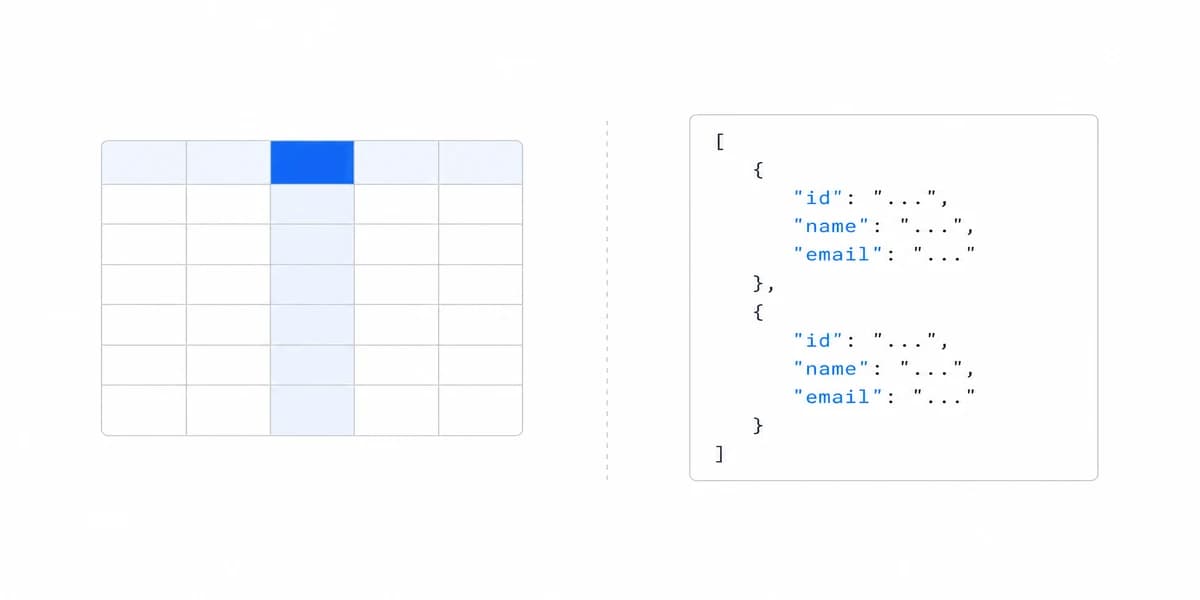
Turn one customer task into a production-shaped slice with trust, runtime, accessibility, operating, and rollout evidence.
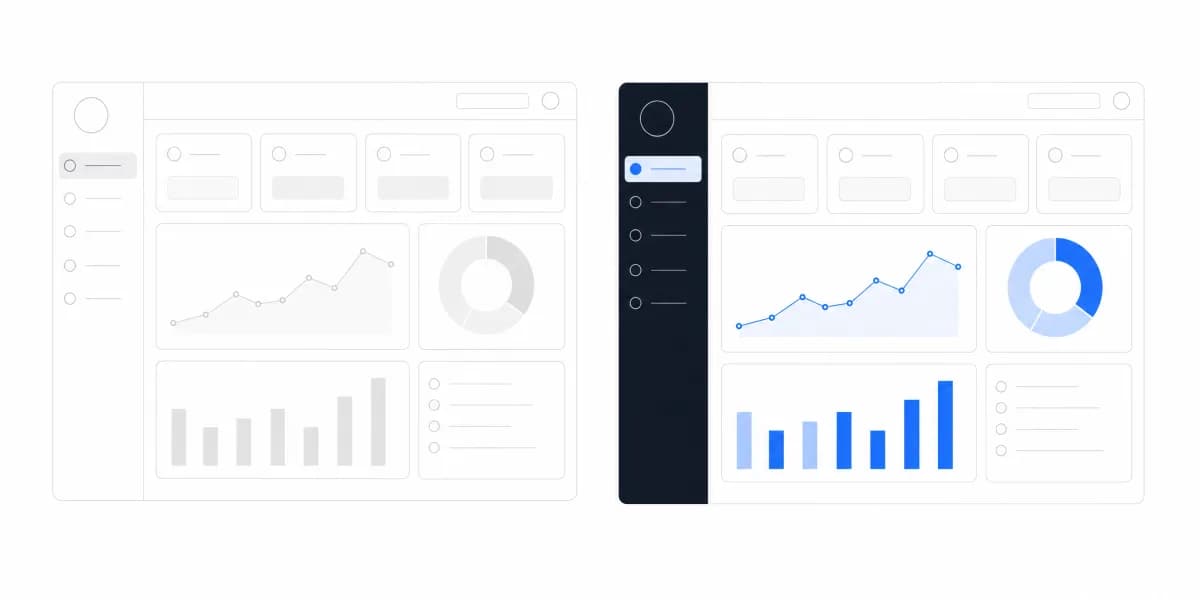
White-label analytics aligns embedded reporting with a host product across branding, interaction, identity, exports and messages. Which surfaces to specify, and how to test that they hold.
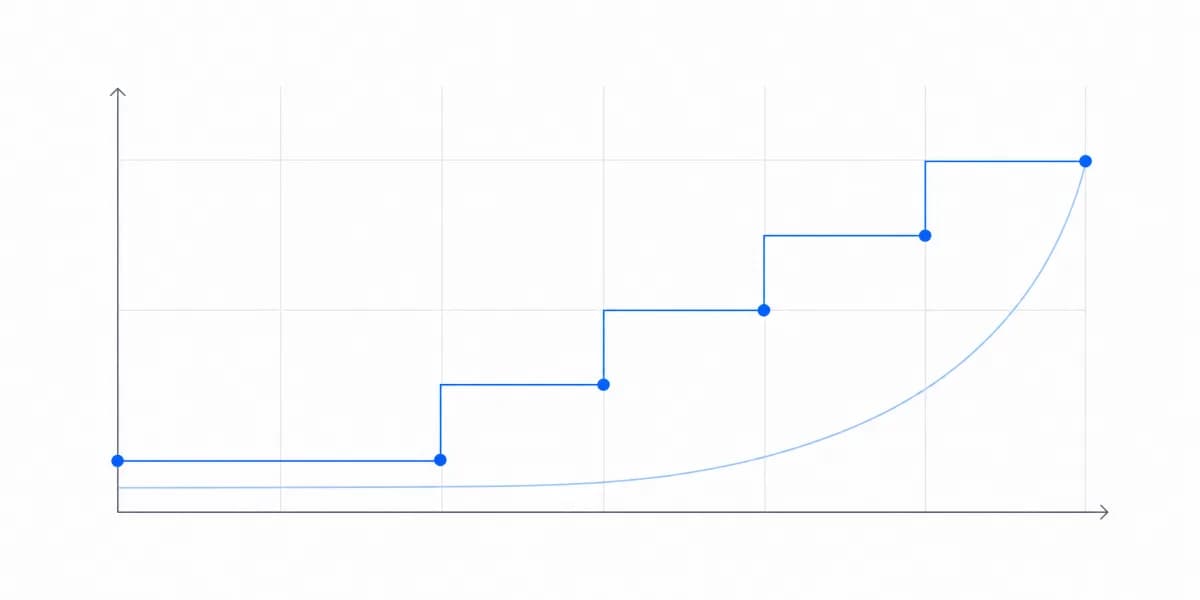
Model embedded analytics ROI with explicit cost, adoption, revenue, retention, and opportunity-cost inputs instead of unsupported benchmarks.
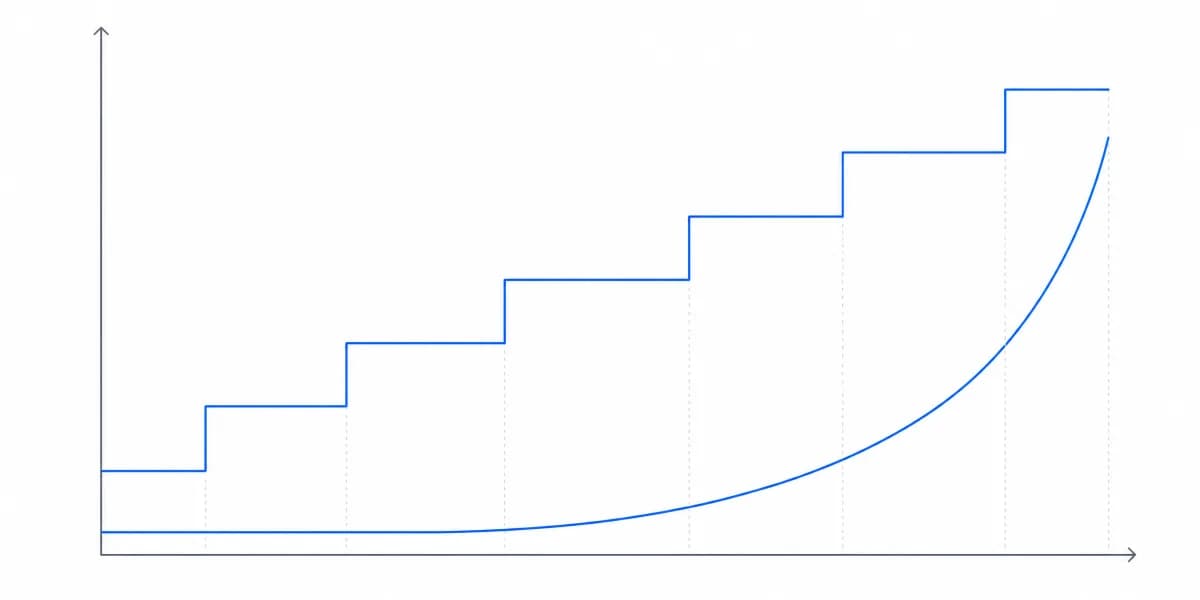
Compare embedded analytics pricing by billing unit, production workload, excluded costs, and three-year forecast, not the headline price.
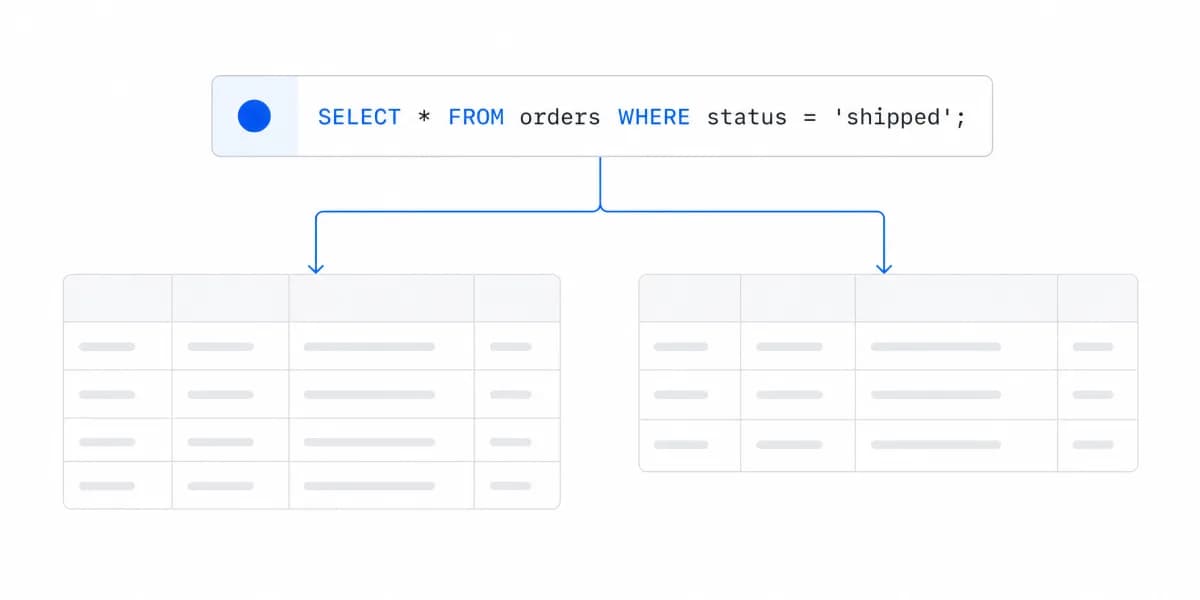
Security isn't a feature list. It's the foundation that makes or breaks customer trust in your SaaS product.

Most vendors tell you iframes are dead. Here's what you actually need to know about integration methods.
Most embedded analytics implementations take weeks. Here's why Sumboard customers go live the same day.
Compare embedded analytics across one acceptance contract, realistic workload cases, lifecycle cost, and exit terms.
Compare standalone and embedded analytics as delivery boundaries across identity, workflow, semantics, experience, operations, and cost.
Design embedded analytics as a governed path across host identity, tenant scope, query enforcement, runtime states, artifacts, and operations.
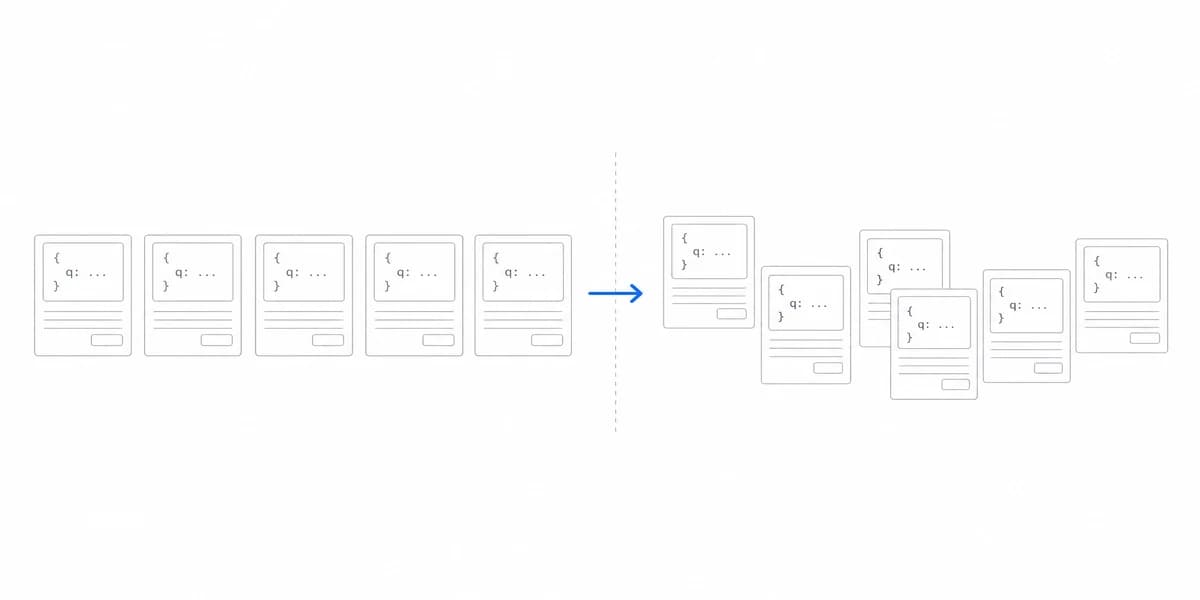
Compare customer self-service, operational, agency white-label, and product-usage analytics by evidence signal, production boundary, and pilot measure.
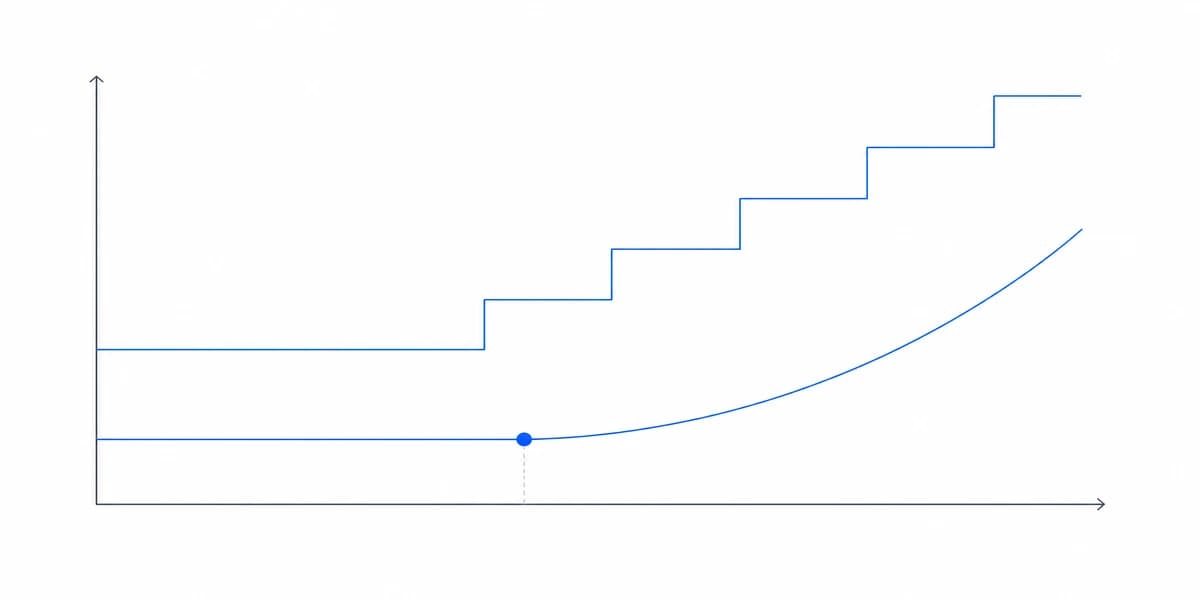
From 10-minute integrations to new revenue streams, real results from product teams who made the switch.
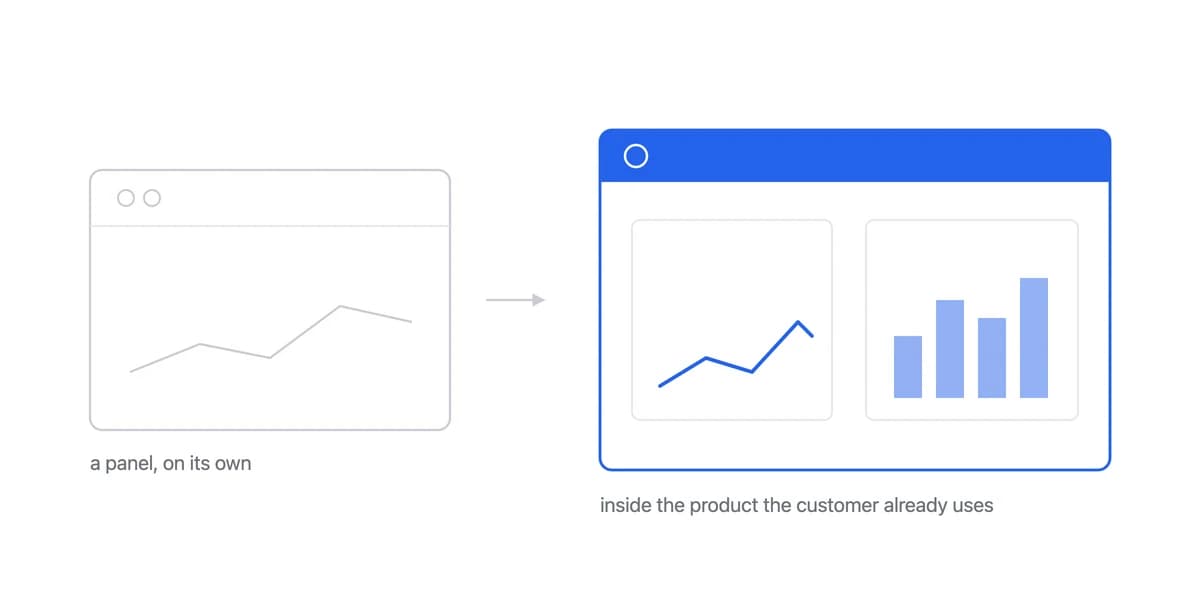
Embedded analytics places governed analytical workflows inside a product experience. The trust path, the integration models, what stays your responsibility, and the build-versus-platform decision.
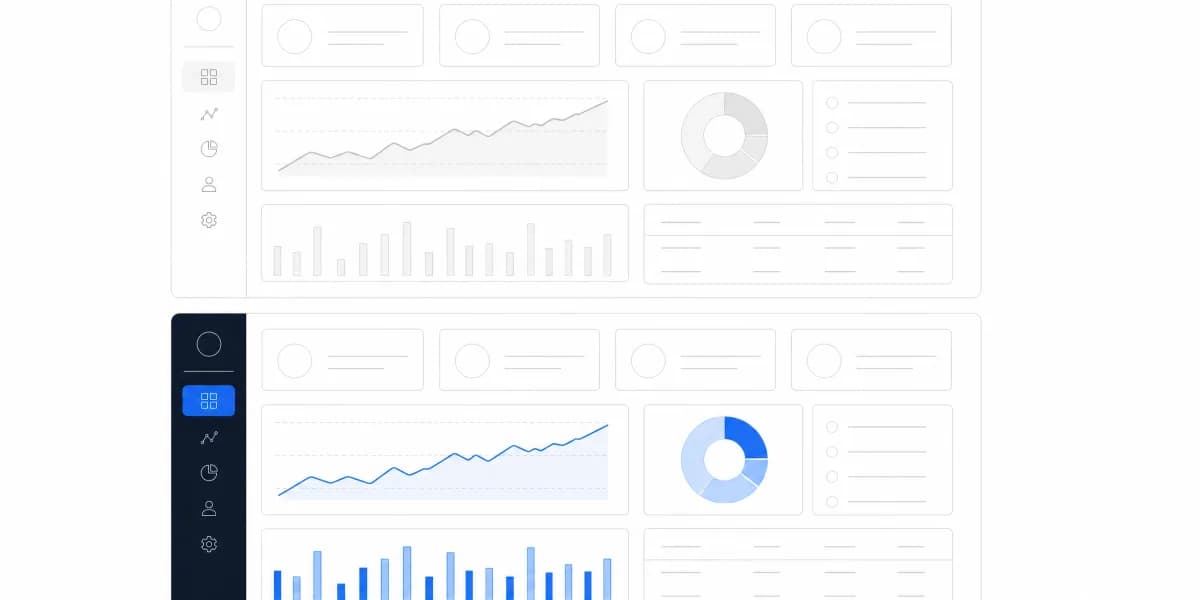
A practical implementation sequence for white-label dashboards: define surfaces, choose the rendering boundary, map design tokens, prove tenant isolation, test artifacts, and set release gates.
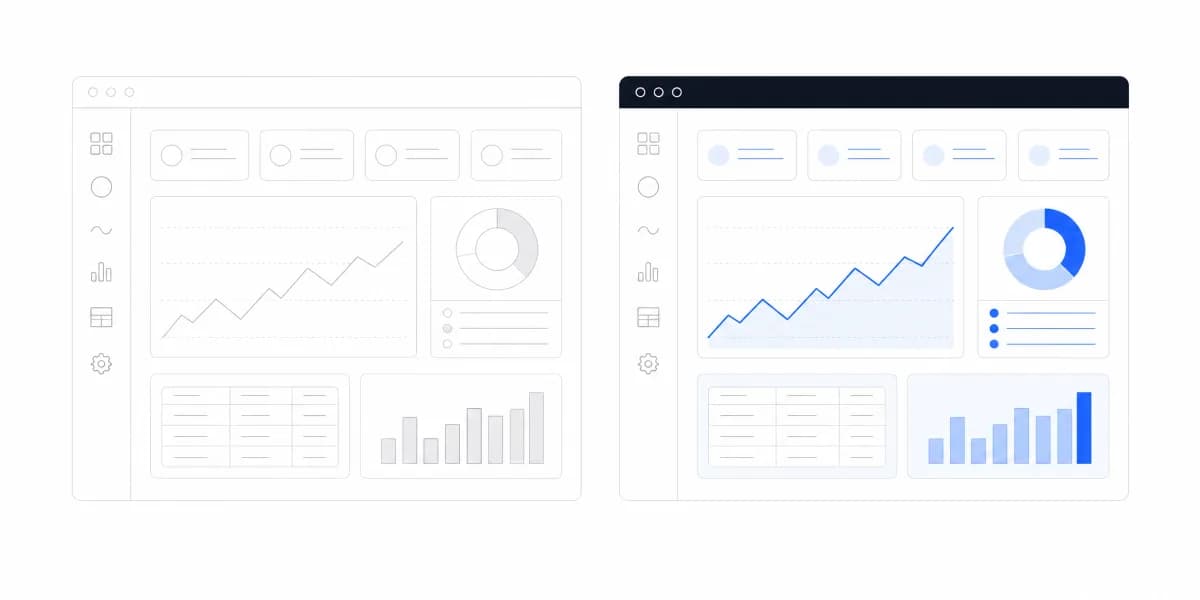
Branded analytics means the dashboard carries your identity, not the vendor's. White-label comes in three depths, the word alone tells you nothing, and iframe versus SDK decides where the control layer sits.
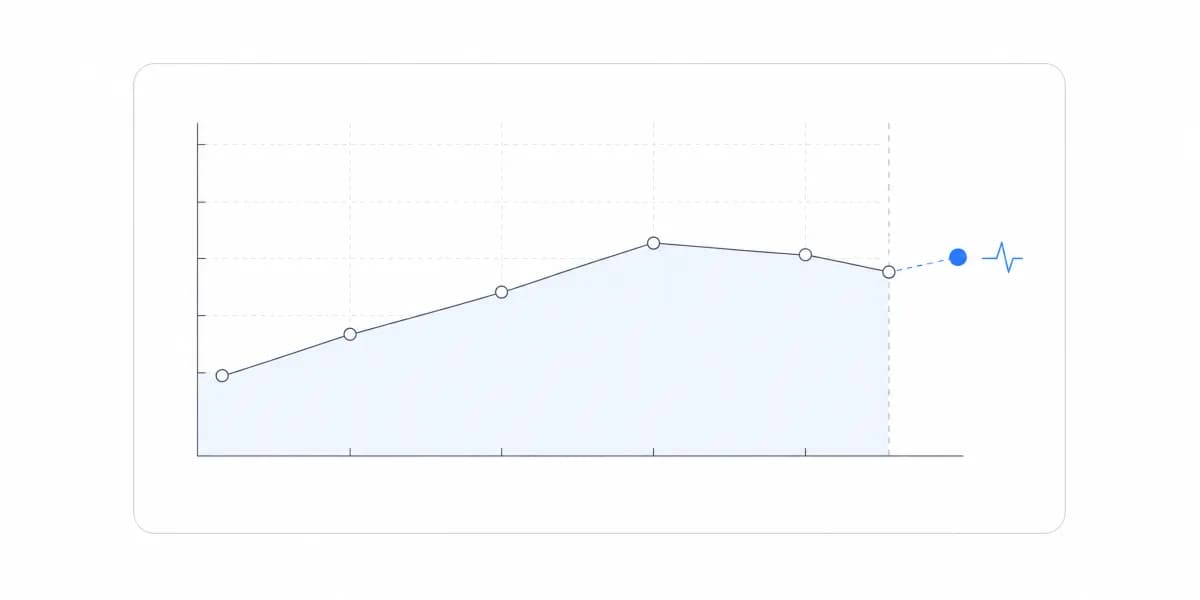
AI assistance, natural-language queries, explicit freshness, governed self-service, and complete tenant scope are changing embedded analytics product requirements.
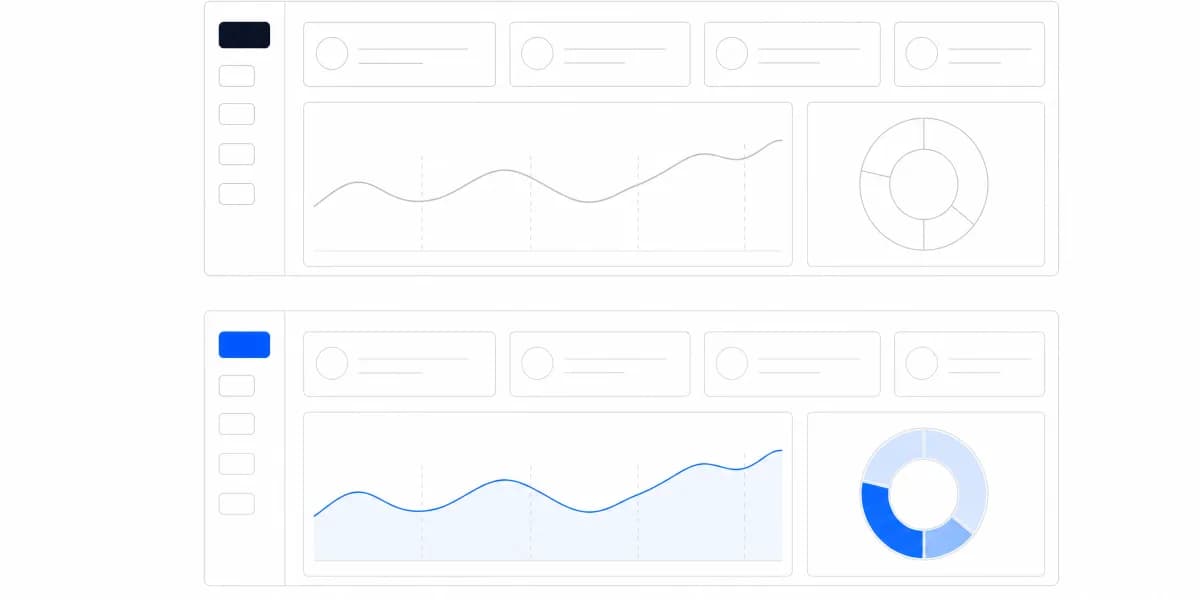
Price white-label analytics from observable costs, customer scope, support ownership, and a billable meter both parties can verify.
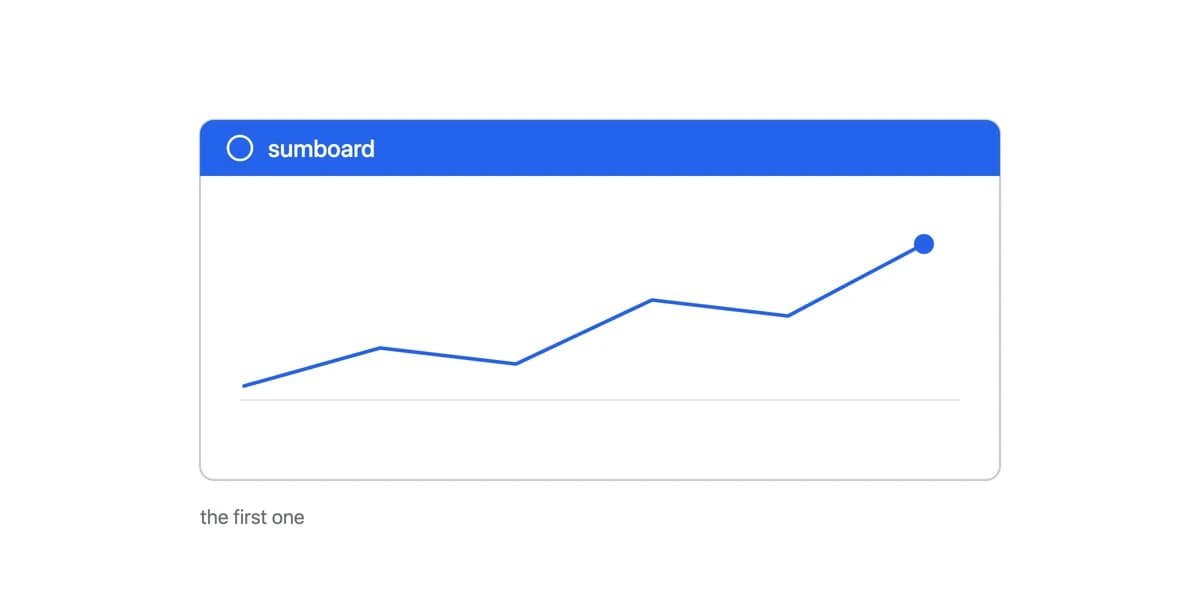
Why we built Sumboard, the product boundary we chose, and the production contract behind customer-facing analytics.

Compare 13 embedded analytics alternatives. Find the right platform for your B2B SaaS product based on pricing, integration speed, architecture, and developer experience.
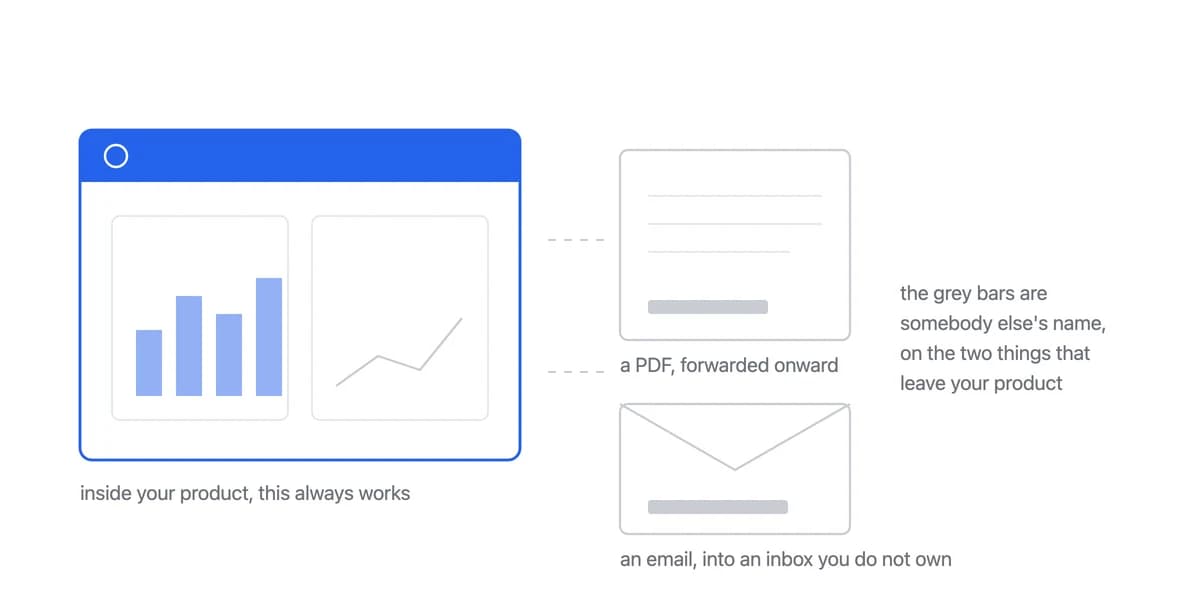
What white-label actually means, how it differs from embedded analytics, where the branding breaks in practice, and how the platforms compare on the things you cannot see in a demo.

What embedded analytics is, how it differs from internal BI, the three implementation routes and what each one costs in calendar time, how the platforms compare, and the four things that actually set your launch date.
Embedded analytics places analytical views or actions inside another application's workflow while preserving explicit integration, identity, data-access, and operating boundaries.
White-label software lets one company present another provider's capability under its own brand, without implying ownership of the underlying system.