
March 17, 2026•7 min read
Agentic Analytics: AI That Acts (Not Just Analyzes)
AI agents that don't just surface insights, they decide and act. Here's what agentic analytics means for embedded platforms.
Topic
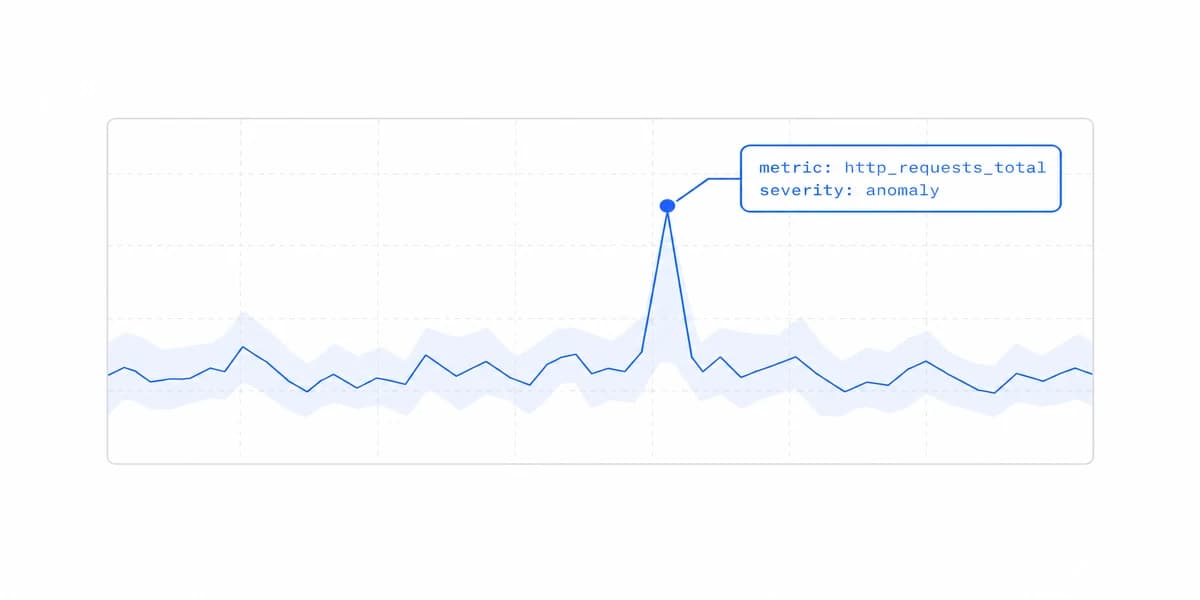
AI is changing what analytics can do, from natural language queries that replace filter UIs, to predictive dashboards that surface anomalies before customers notice them. This cluster covers the practical side of AI in analytics: how conversational BI works, where machine learning fits in a SaaS data product, what agentic analytics looks like in 2026, and how to use AI-powered insights without over-engineering. Written for product and data teams deciding where AI actually adds value versus where it adds complexity.
AI agents that don't just surface insights, they decide and act. Here's what agentic analytics means for embedded platforms.
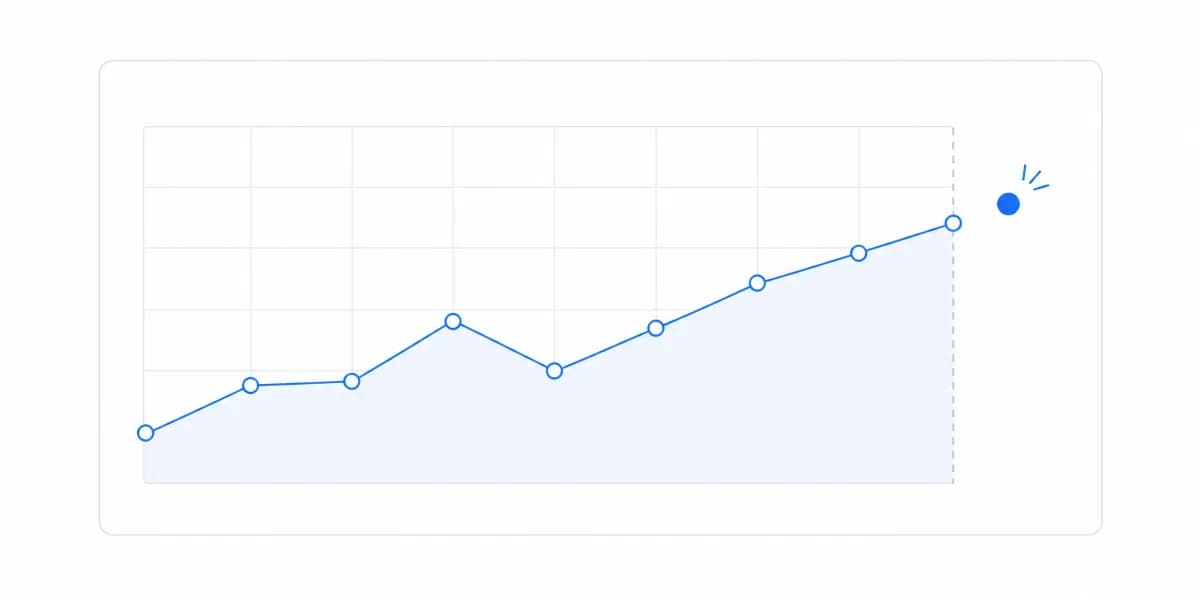
The best ML models are useless if users can't understand them. Here's how modern teams are making machine learning transparent through visualization.
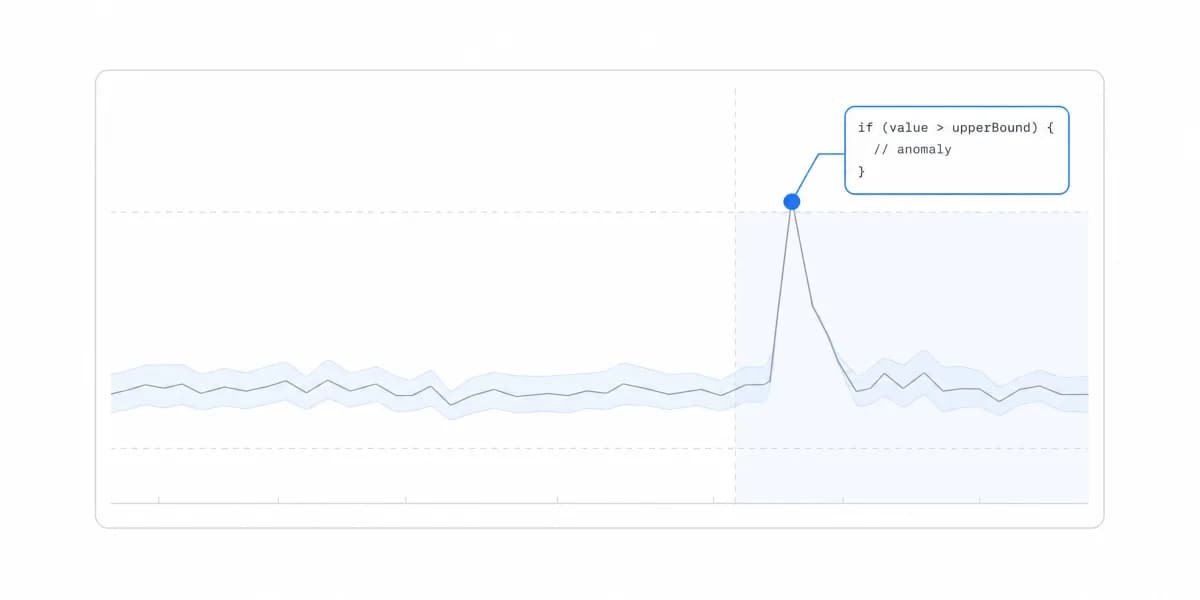
A practical framework for personalizing customer-facing dashboards without confusing behavior signals with intent or weakening tenant isolation.
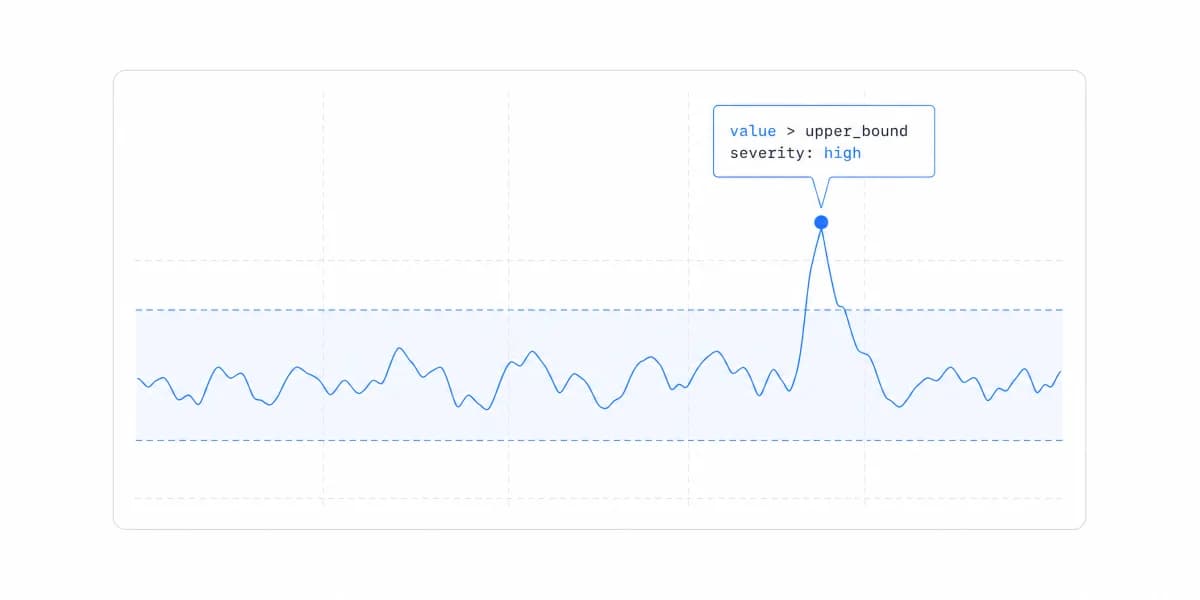
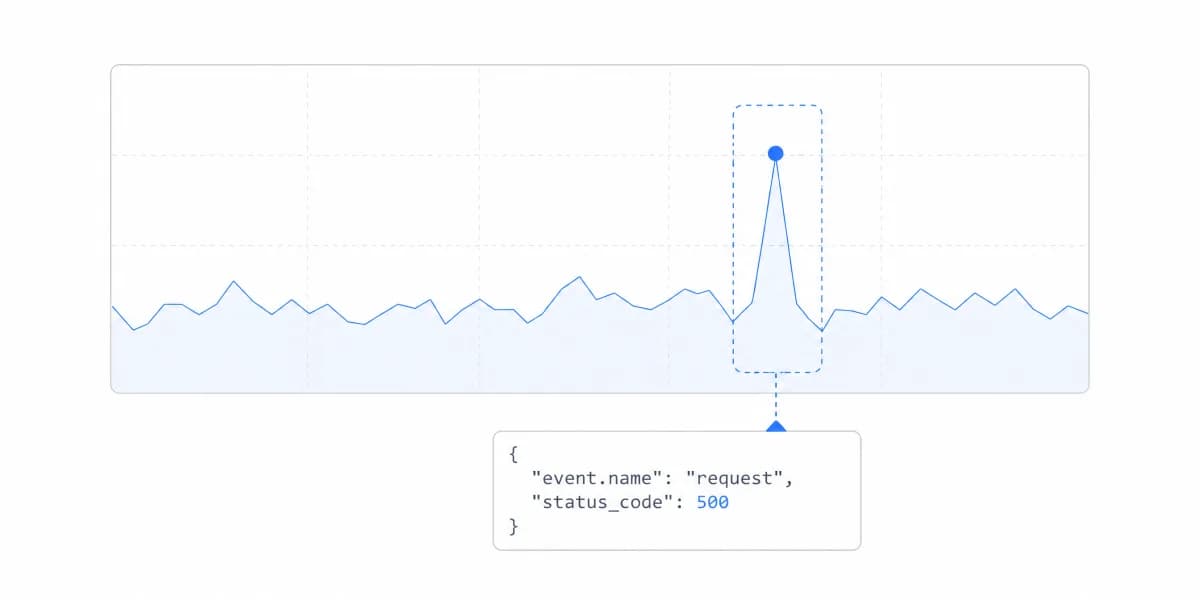
Design automated insights as an evidence path: detect a signal, show its limits, bound the action, and measure the outcome.
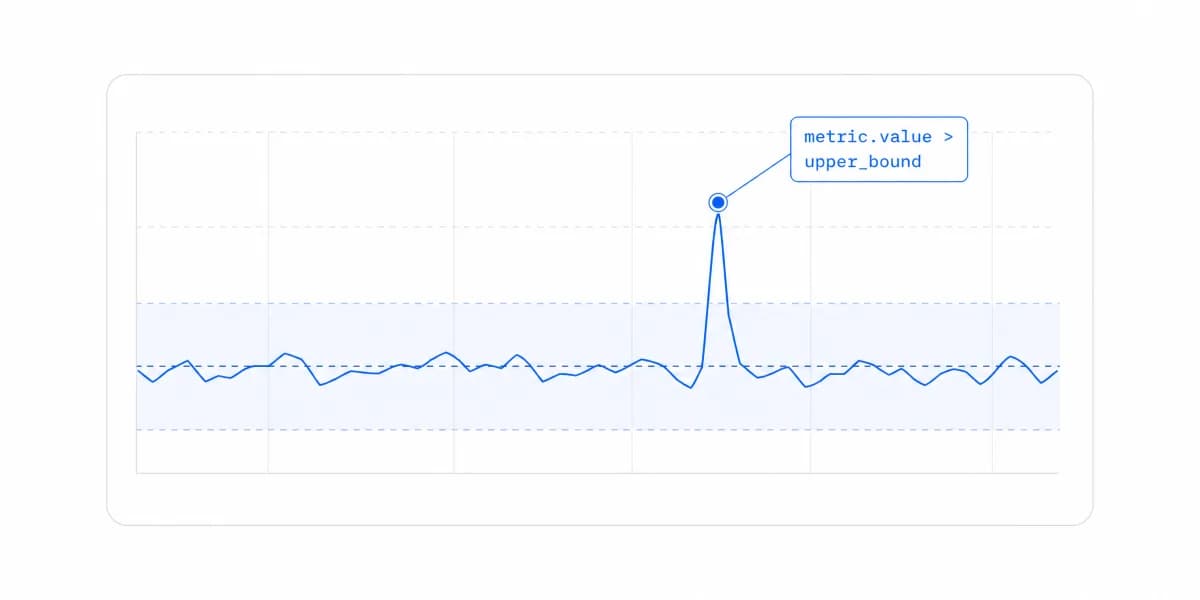
Moving beyond 'what happened' to 'what's next', and why embedding predictions changes everything.
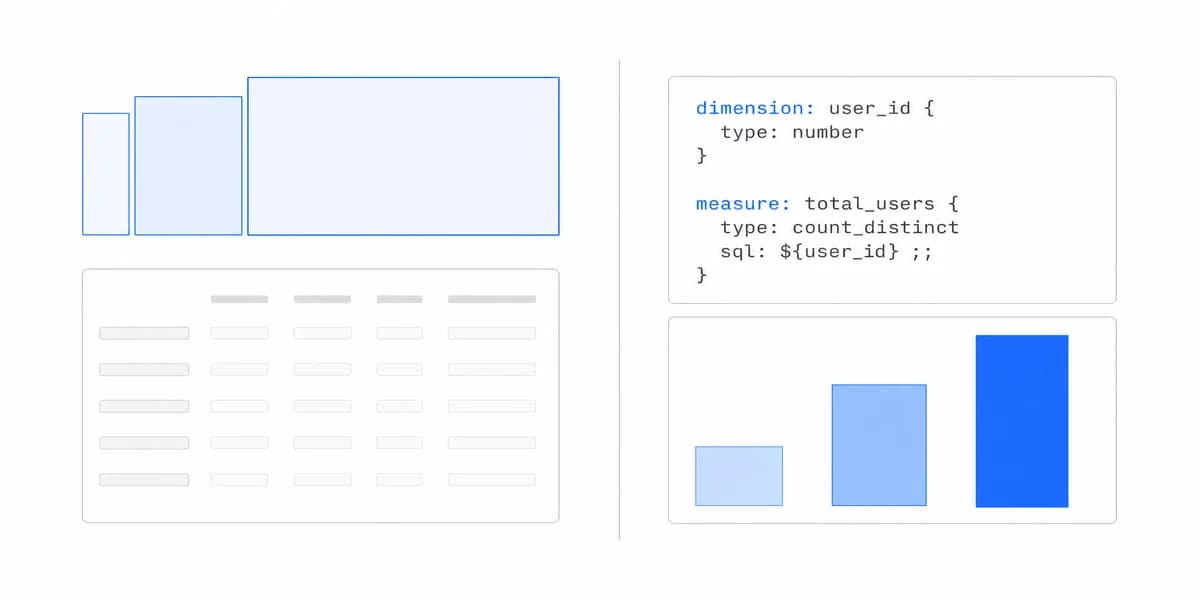
Customers are asking follow-up questions your static dashboards can't answer. Here's where the industry is heading, and what you can ship today.
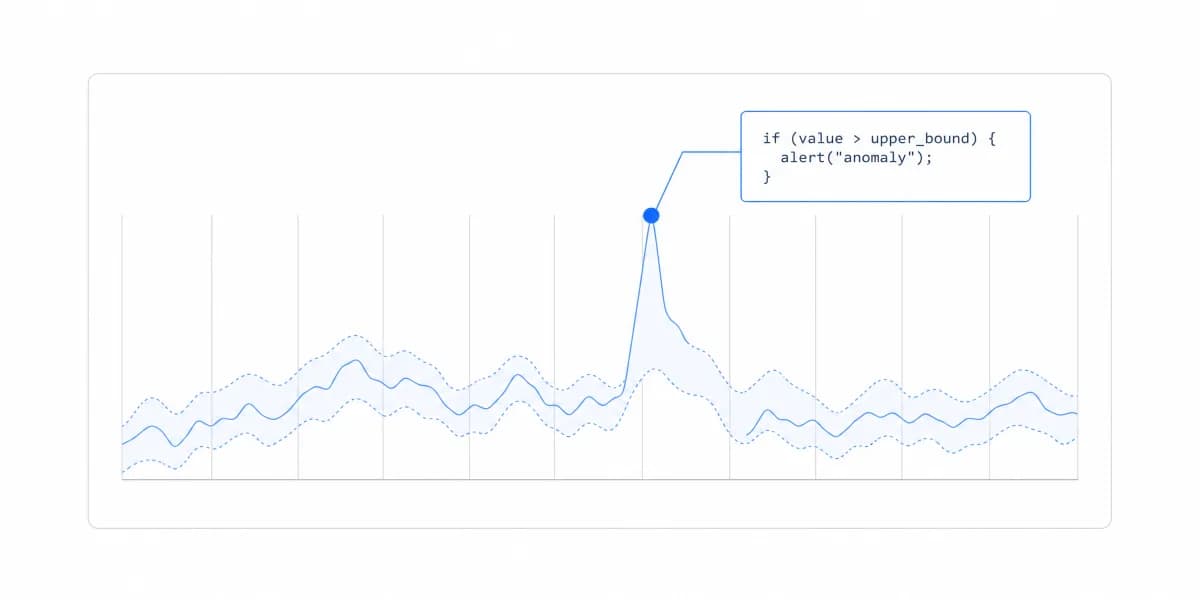
Customer expectations for analytics are changing faster than most platforms can keep up. Here's what we're seeing.
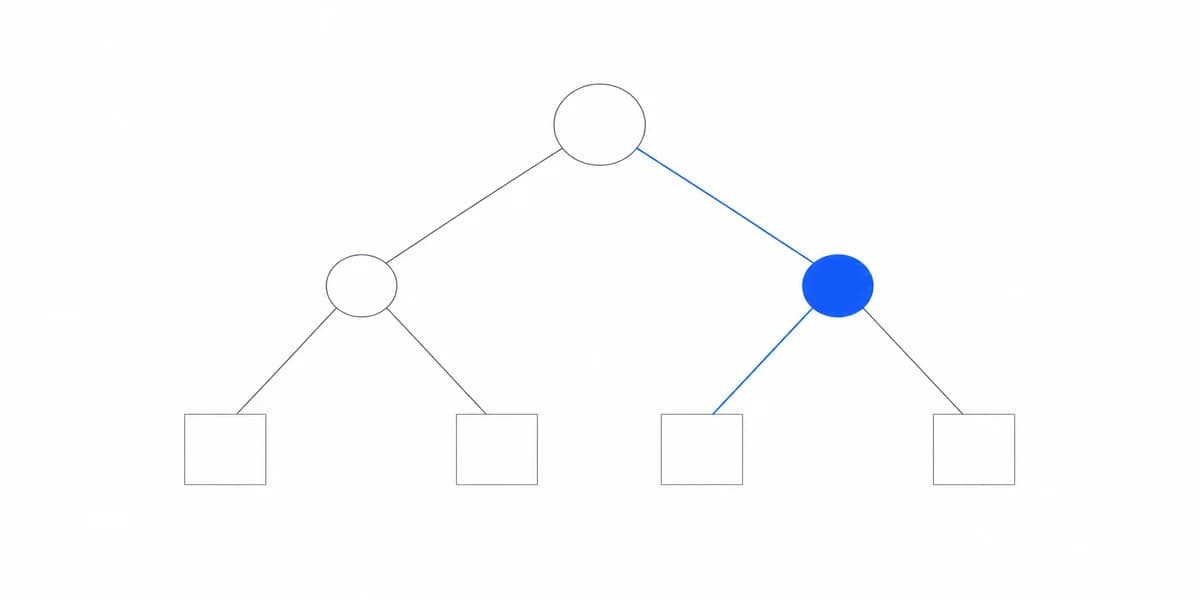
Customers want ChatGPT-like interactions with their data. Here's what that means for embedded analytics.
Evaluate AI visualization through interpreted questions, governed semantics, authorization, query evidence, uncertainty, and safe follow-up context.
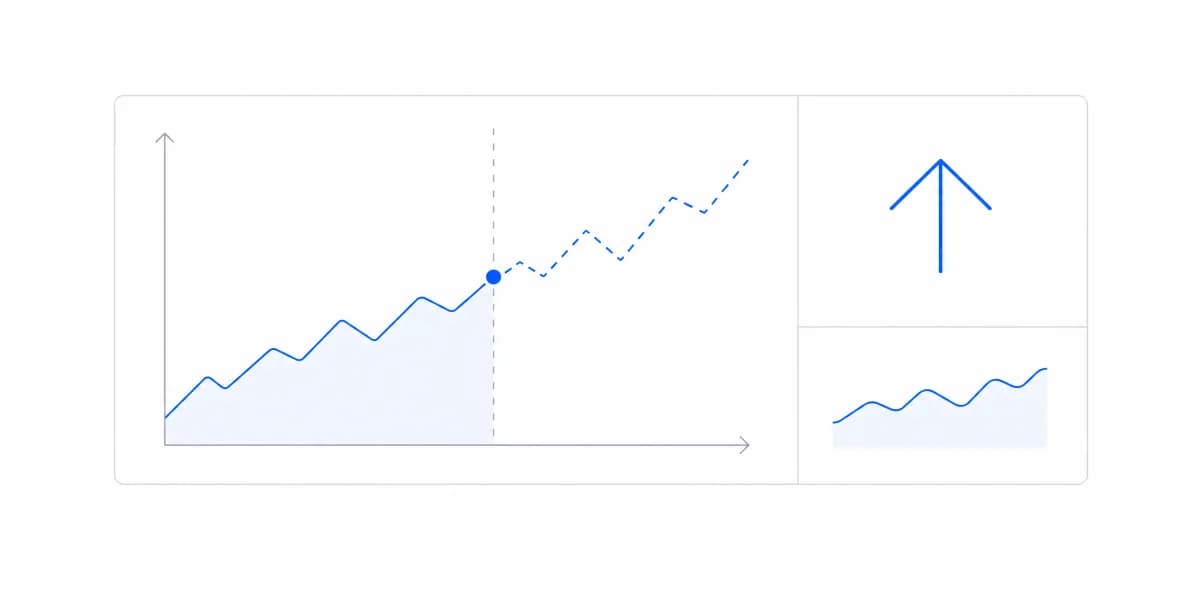
Traditional analytics tells you what happened. Predictive analytics tells you what might happen next. But which approach belongs in your customer-facing dashboards?
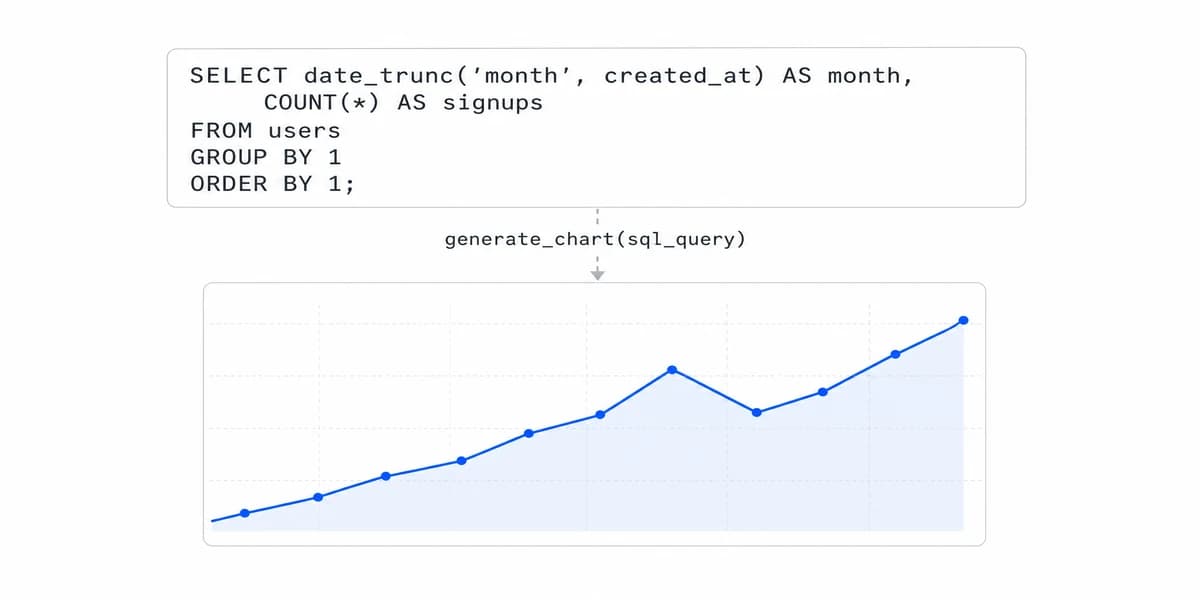
A production NLQ system must clarify intent, enforce semantic and tenant scope, bound execution, and return evidence with every answer.
