
April 4, 2026•11 min read
Streaming Dashboard Architecture: Design for Decision-Safe State
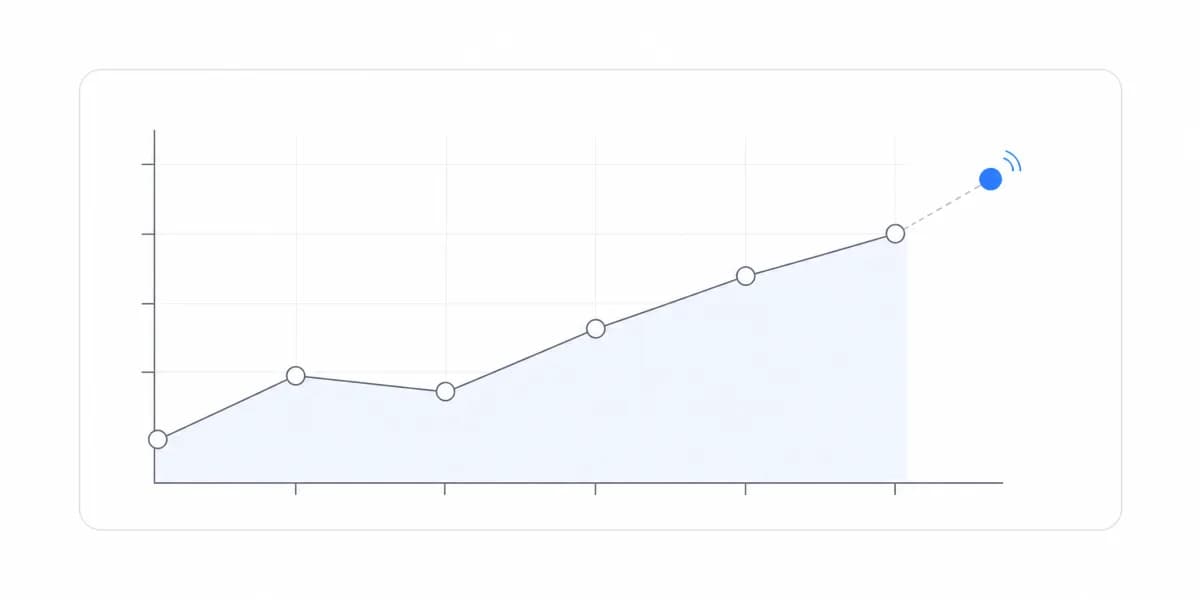
Choose streaming from decision latency, then define event time, watermarks, late data, corrections, backpressure, serving state, and recovery.
Topic
Shipping analytics at scale requires more than a charting library. This cluster covers the engineering decisions behind production analytics: multi-tenant architecture, real-time data pipelines, streaming dashboards, SDK-first approaches, and API-first design patterns. These articles are written for engineers and architects who are responsible for the reliability, performance, and scalability of analytics infrastructure, not just the frontend layer.
Choose streaming from decision latency, then define event time, watermarks, late data, corrections, backpressure, serving state, and recovery.
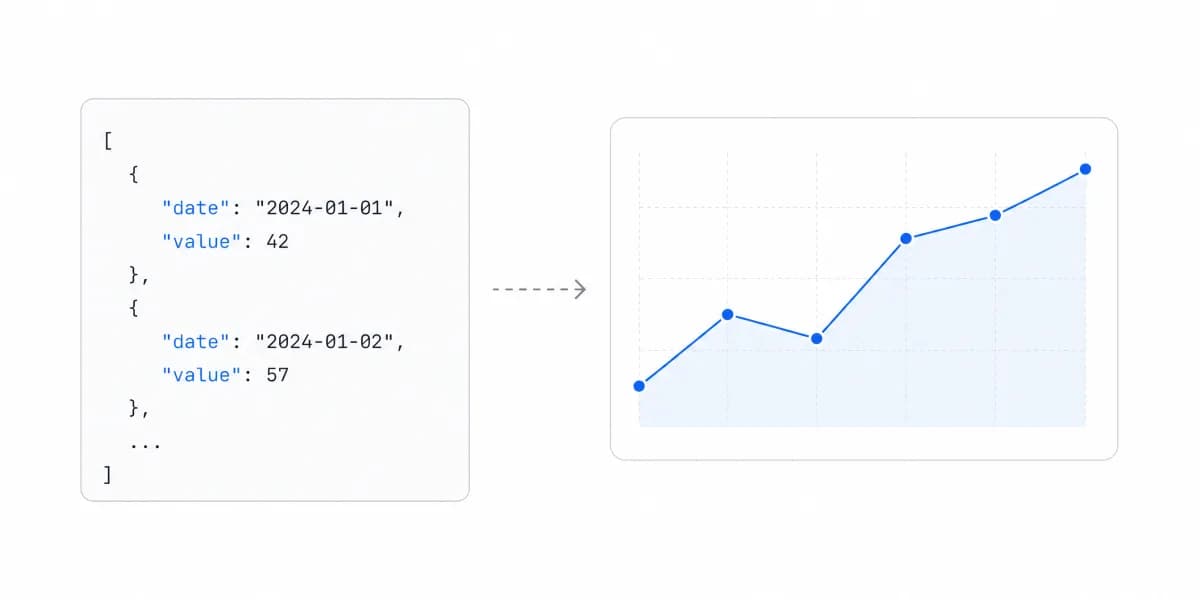
Most SaaS products don't need true real-time analytics. Here's how to know when you do, and what it takes to deliver it.
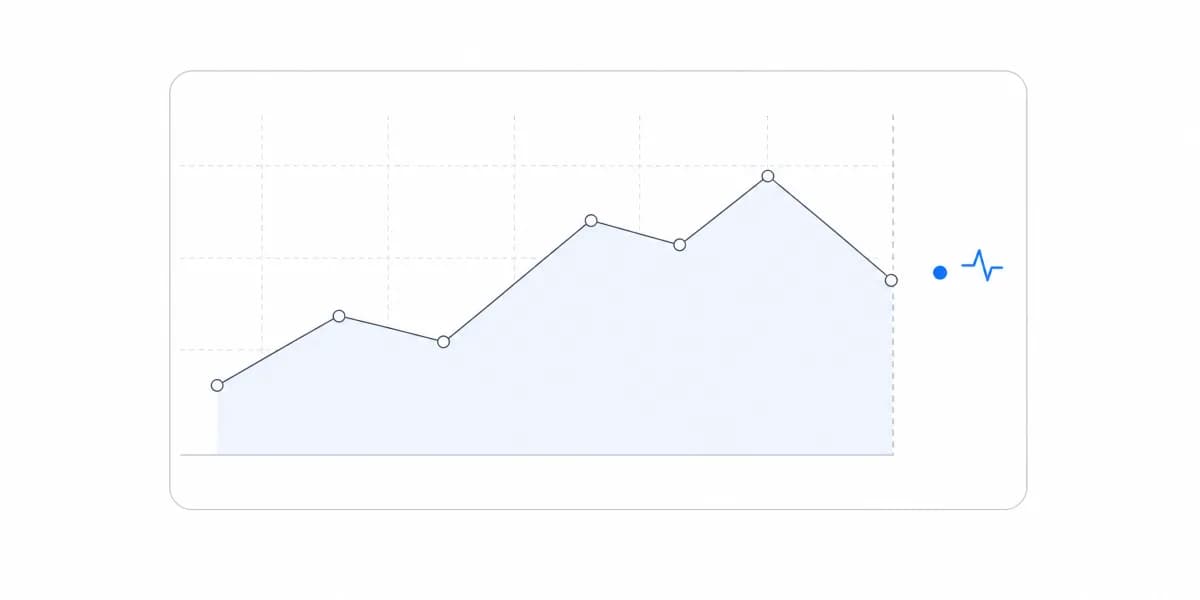
Choose live-dashboard refresh, caching, alerting, and audience views from decision latency and measurable system constraints.
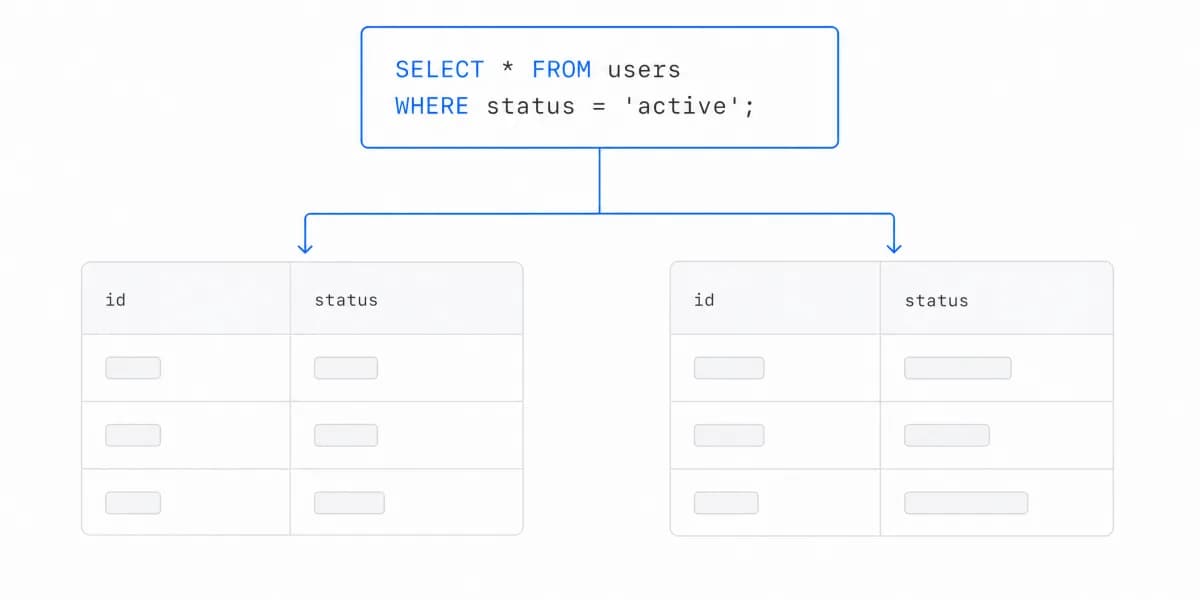
A multi-tenant analytics design must preserve trusted tenant scope through identity, routing, authorization, workload control, delivery, and operations.
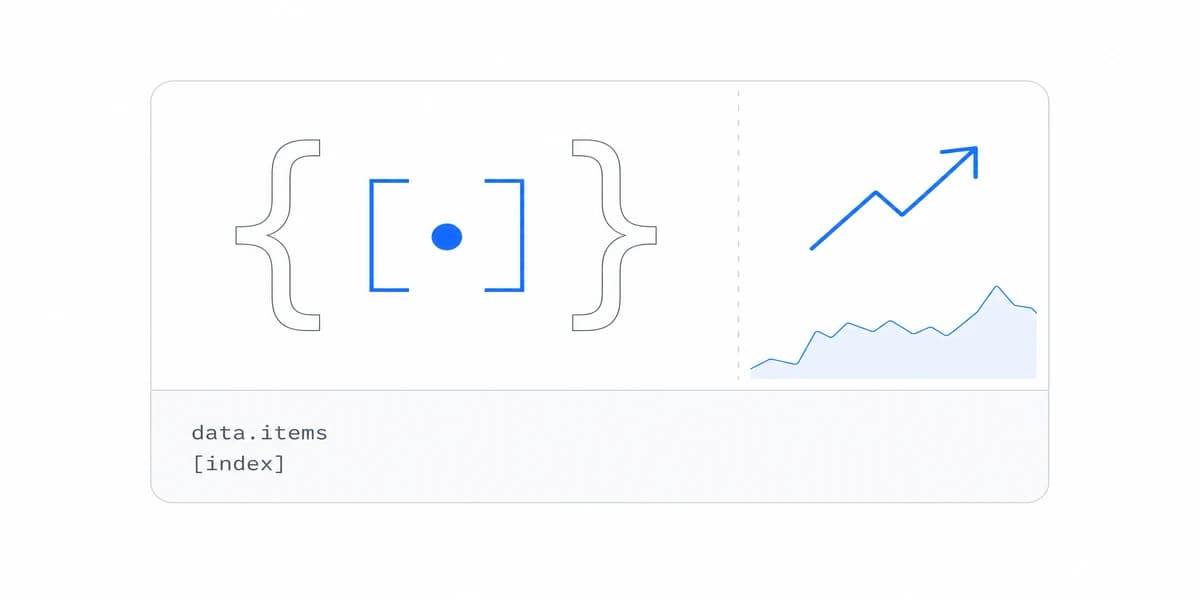
Why engineering teams are choosing headless architectures for embedded analytics, and when traditional approaches still make sense.
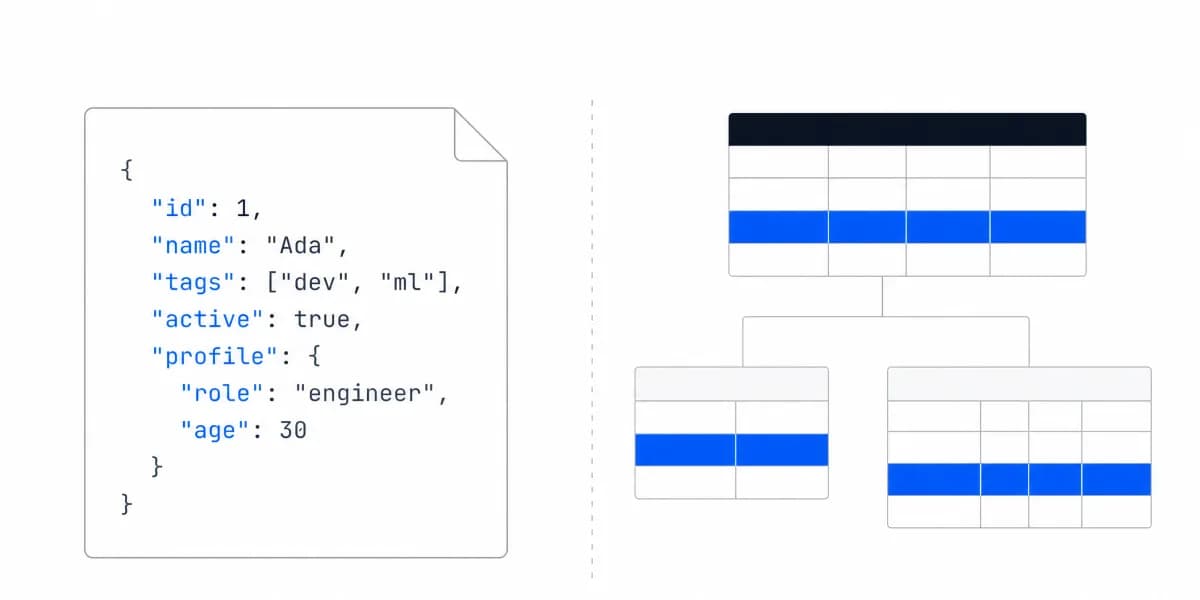
Traditional BI tools force you to build through their UI. API-first analytics flips this, giving developers programmatic control over embedded experiences.
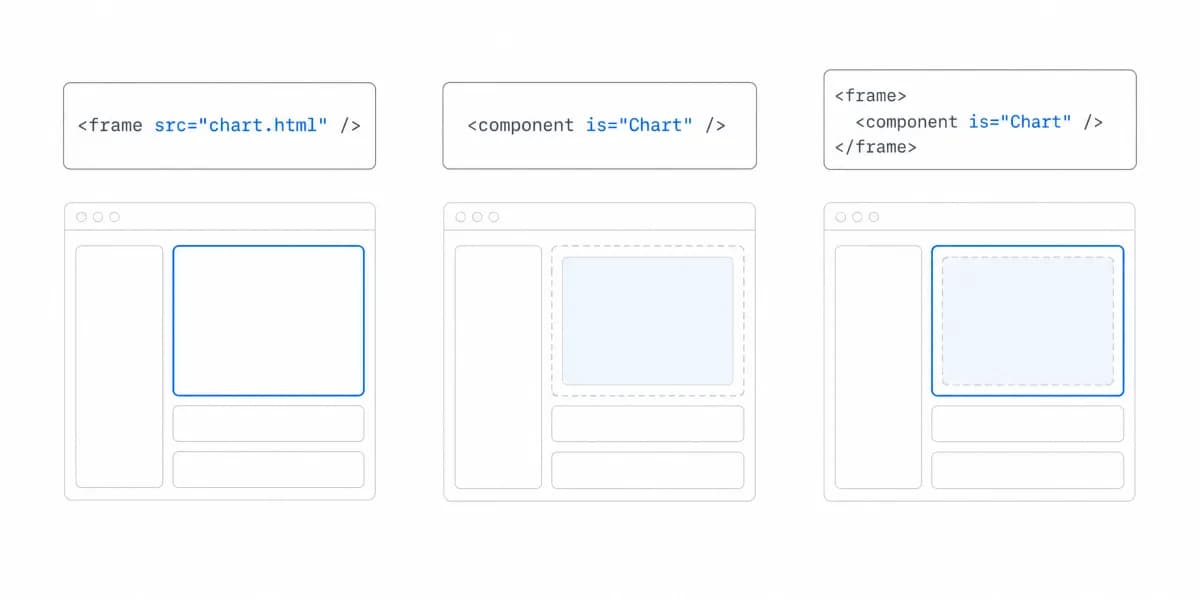
Most teams pick between iframe and SDK based on speed. The real question is: how much control does your product roadmap actually need?
Headless BI separates analytical presentation from semantic and query services so multiple interfaces can consume a governed analytical contract.
iFrame embedding allows you to display external content within your web page. Learn how iFrames work in embedded analytics and when to use them.
A JWT proves where a claim set came from, not that the claims are true. In an embedded dashboard the harder question is where the row scope sits, whether it travels inside the signature, and what happens when it disagrees with the row policy.
Multi-tenancy is a software architecture in which one solution serves multiple customer or organizational tenants while applying explicit isolation, routing, resource, and operating controls.
Real-time analytics processes and analyzes data instantly as it's generated, enabling immediate insights and faster decision-making for B2B SaaS products.
Row-level security (RLS) restricts which rows an execution context may read or modify, but it is one control within a complete authorization design.
SDK integration is the process of adding a software development kit to your application, enabling faster development and smooth connectivity with platform APIs through pre-built tools and libraries.
